



Monoprice
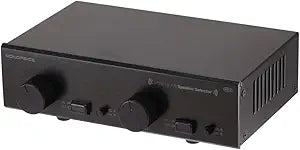
Monoprice 108231 2-Channel A/B Speaker Selector with Volume Control
Route two audio sources to two speaker zones with independent volume control from one simple box
$67.52*$99.99Save 32%
View on Amazon
✓ In Stock on Amazon.com
*Price sourced from Amazon.com. Last updated:Oct 07, 2026.Price and availability are subject to change — details.
Affiliate Disclosure: As an Amazon Associate, Studio Supplies earns from qualifying purchases made through links on this page, at no additional cost to you. This helps support our editorial team.
Notice a mistake? Let Us Know
Overview
Key Features
Supports up to 100 watts/channel
Distributes two stereo audio sources to up to two destinations
Supports bare speaker wire up to 14AWG
Specifications
Brand
Monoprice
Model
108231
Type
2-Channel A/B Speaker Selector
Volume Control
Independent per zone
Power Handling
100 watts per channel
Wire Gauge Support
Up to 14AWG bare speaker wire
Inputs
2 stereo sources
Outputs
2 speaker zones
Frequently Asked Questions
Can I play two different audio sources to two different speaker pairs at the same time?
Yes. The 2-Channel A/B selector lets you distribute two stereo audio sources to two separate speaker destinations. You can switch between sources for each zone or run both simultaneously, giving you flexibility in a multi-room or multi-source setup.
What kind of speaker wire connections does this selector use?
It uses bare speaker wire terminals that accept wire gauges up to 14AWG. There are no banana plug or spade lug connectors — you'll strip your speaker wire and secure it directly into the binding posts.
Will this handle a powerful amplifier or receiver without issues?
The selector supports up to 100 watts per channel, which covers most home stereo amplifiers and AV receivers. If your amp outputs more than 100 watts per channel, this unit may not be appropriate and could be a limiting factor.
Does the volume control work independently for each speaker zone?
Yes. Each output zone has its own independent volume knob, so you can set different volume levels for different rooms or speaker pairs without affecting the other zone.
Is there any noticeable audio quality loss when using this selector?
For typical home audio use, the signal path through the selector is passive and straightforward. At normal listening volumes with standard home speakers, most users won't detect meaningful degradation compared to a direct connection.
Related Products


