



RCF
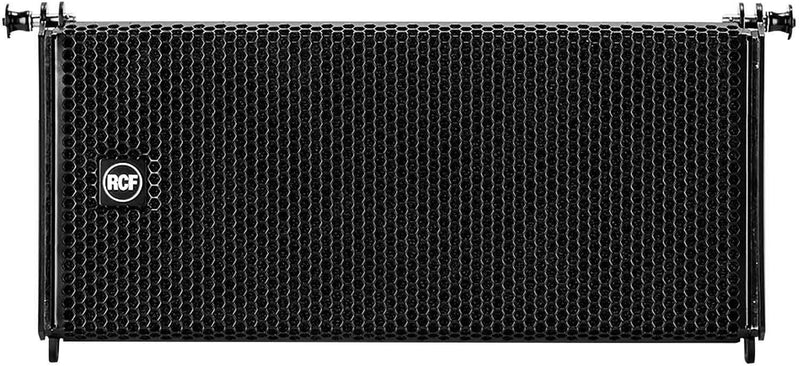
RCF HDL6-A 1400W 2-Way Powered Line Array Speaker Module
Compact line array power for touring and fixed installs — 1400W of clarity that cuts through large rooms without sacrificing low-end punch.
$1,799.00*
View on Amazon
✓ In Stock on Amazon.com
*Price sourced from Amazon.com. Last updated:Aug 28, 2026.Price and availability are subject to change — details.
Affiliate Disclosure: As an Amazon Associate, Studio Supplies earns from qualifying purchases made through links on this page, at no additional cost to you. This helps support our editorial team.
Notice a mistake? Let Us Know
Overview
Key Features
MODULE
Specifications
Brand
RCF
Model
HDL6-A
Type
2-Way Powered Line Array Module
Amplifier Power
1400W
Woofer Size
6 inches
Tweeter Size
1.7 inches
Connectivity
XLR
Enclosure Material
PP Composite
Special Features
Bass Boost DSP
Power Source
Corded Electric
Frequently Asked Questions
Does the HDL6-A require an external amplifier or processor to operate?
No — the HDL6-A is a self-powered module with a built-in 1400W amplifier and onboard DSP. Each module handles its own processing, simplifying rigging and reducing external rack gear requirements.
What is the recommended gain structure when feeding the HDL6-A from a digital console or drive rack?
Set your source to deliver a nominal signal around +4 dBu with sufficient headroom for transient peaks. The XLR input is line-level; avoid pushing the input stage hot, as the module's DSP is optimized for clean input — let the internal amp handle the heavy lifting downstream.
How does the 6-inch woofer configuration affect low-frequency extension in a full array hang?
Individual modules are not subwoofer replacements — the 6-inch driver handles upper bass and midrange, so pairing with a dedicated sub array is standard practice for full-range reinforcement in larger rooms. In a multi-module hang, low-end coupling between units improves perceived bass weight significantly.
Is the bass boost feature switchable, and when should it be engaged?
Based on product documentation, bass boost is a fixed DSP preset rather than a real-time toggle. It's best suited for smaller hangs where extra weight on the low end compensates for fewer modules; in larger arrays with a matched sub system, running the neutral curve prevents a muddy mid-bass buildup.
What connectivity does the HDL6-A support for daisy-chaining modules?
The module uses XLR I/O, which allows standard daisy-chaining through the array. Signal throughput is maintained cleanly across multiple modules, consistent with professional touring and fixed-install line array conventions.
Related Products


