Sony

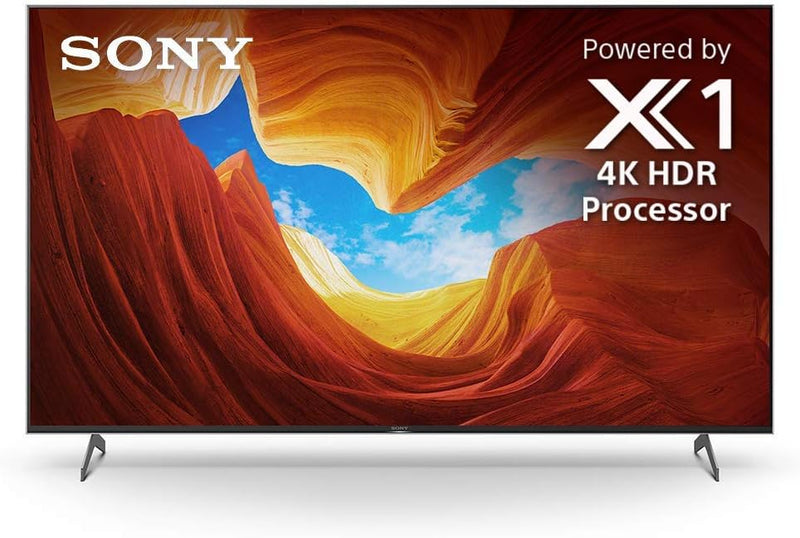
Sony XBR 65X900H 65-Inch 4K HDR LED Smart TV

3.2 (4 reviews)

Sony XBR-65X900H 65-inch 4K HDR LED Smart TV with 120Hz refresh rate, Dolby Vision, and Android TV built in.

View price on Amazon
Affiliate Disclosure: Studio Supplies may earn a commission from qualifying purchases made through links on this page, at no additional cost to you. This helps support our editorial team.

Notice a mistake? Let Us Know

Overview

The Sony XBR-65X900H is a 65-inch 4K Ultra HD LED Smart TV that earned a strong reputation when it launched in 2020 for delivering excellent picture quality at a competitive price point. At its core is a Full Array LED backlight system, which distributes LEDs across the entire panel surface and uses local dimming to improve contrast by darkening specific zones independently. This results in deeper blacks and more dynamic HDR performance compared to edge-lit alternatives. The 3840x2160 resolution paired with HDR support including Dolby Vision ensures that compatible content from streaming services and disc media looks its best.

The 120Hz native refresh rate is a key feature, particularly after Sony's firmware update enabled HDMI 2.1 functionality on this model. This allows the TV to accept 4K signals at 120 frames per second, making it a strong companion for the PlayStation 5 and Xbox Series X. Sony's X-Motion Clarity backlight technology further improves motion handling during fast-paced gaming, sports, and action movies. On the smart side, Android TV provides a familiar interface with access to all major streaming apps through the Google Play Store, plus Chromecast built-in and Google Assistant for voice navigation. Dolby Atmos audio passthrough supports immersive sound when connected to a compatible soundbar or receiver. This listing also includes an additional year of coverage through Epic Protect.

Specifications

Display Type
LCD (Full Array LED backlight)
Screen Size
65 inches
Resolution
3840 x 2160 (4K Ultra HD)
Refresh Rate
120Hz
HDR Support
Yes (Dolby Vision)
Audio
Dolby Atmos
Smart TV Platform
Android TV
Motion Technology
X-Motion Clarity
Backlight Type
Full Array LED

Pros & Cons

👍 Pros

  • Full Array LED backlighting delivers deeper blacks and better contrast than edge-lit designs through localized dimming zones
  • 120Hz refresh rate with HDMI 2.1 support makes it well-suited for PS5 and Xbox Series X gaming at 4K
  • Dolby Vision and Dolby Atmos support enhances compatible movies and streaming content
  • Android TV platform provides a wide app selection, Chromecast built-in, and Google Assistant voice control
  • X-Motion Clarity technology reduces motion blur during fast-paced content like sports and action sequences

👎 Cons

  • As an LCD/LED panel, it cannot achieve the pixel-level contrast and perfect blacks of OLED displays
  • Full Array LED local dimming can produce visible blooming or haloing around bright objects on dark backgrounds
  • The 65-inch size at 4K resolution means viewing distance matters significantly for perceiving the detail improvement over 1080p
  • Android TV can experience slowdowns or interface lag over time as apps and firmware updates accumulate
  • The XBR-65X900H is a 2020 model, so it lacks newer processing and feature refinements found in subsequent Sony TVs

Frequently Asked Questions

The X900H received a firmware update enabling HDMI 2.1 features on select ports, supporting 4K at 120Hz input, which benefits PlayStation 5 and Xbox Series X gaming.
X-Motion Clarity is Sony's backlight technology that keeps fast-moving images smooth and clear by precisely controlling the LED backlight timing, reducing blur without dimming the picture.
It runs Android TV, which provides access to the Google Play Store for apps, built-in Google Assistant voice control, and Chromecast functionality for casting from mobile devices.
Yes, the X900H supports Dolby Vision for HDR picture enhancement and Dolby Atmos for immersive audio through compatible content and sound systems.
It uses Full Array LED backlighting, which places LEDs across the entire panel rather than just along the edges, allowing for better local dimming and improved contrast compared to edge-lit designs.