
Guides & Reviews
Expert buying guides, hands-on reviews, and practical how-to articles to help you build the perfect studio setup.
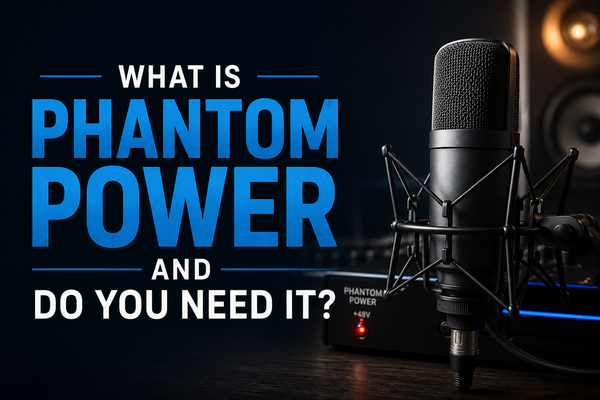
What Is Phantom Power and Do You Need It?
Phantom power is a 48-volt DC electrical supply sent through balanced XLR audio cables to power condenser microphones and active DI boxes. Understanding phantom power is crucial for anyone working with professional audio equipment, as it determine...
Read Article →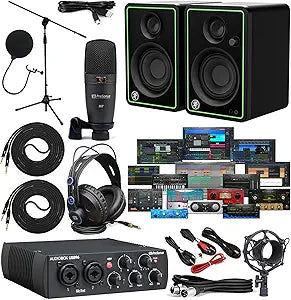
Ground Loop Hum: What It Is and How to Eliminate It
That low, steady 60 Hz buzz that creeps into your recordings (50 Hz outside North America) is almost never coming from your mic, your instrument, or your roo...
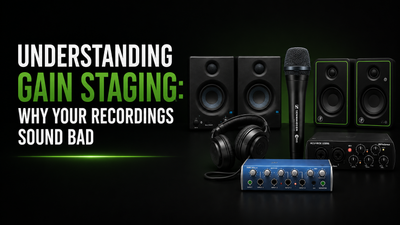
Understanding Gain Staging: Why Your Recordings Sound Bad
If your recordings sound noisy, distorted, or just plain unprofessional, the culprit is probably poor gain staging. This fundamental concept is the backbone ...
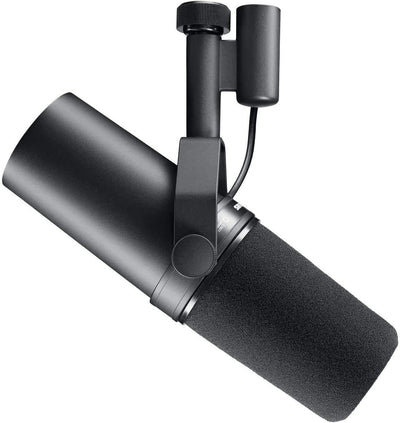
Understanding Phantom Power: What It Is, What Needs It, What It Can Damage
If you have ever noticed the "+48V" button on an audio interface and wondered what it actually does, you are looking at phantom power — a DC supply sent down...
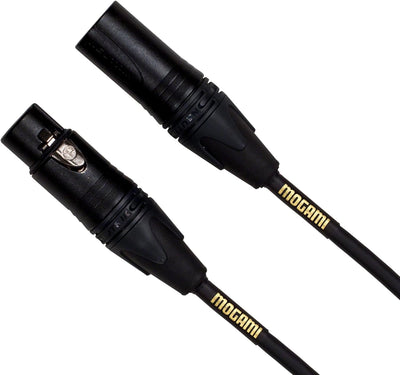
Audio Cable Guide: XLR vs TRS vs TS vs RCA — When to Use Each
Walk into any recording studio and you will see four connector families on the back of nearly every box: XLR, TRS, TS, and RCA. They are not interchangeable....
Dynamic vs Condenser Microphones: What's the Difference?
If you've ever stood in an audio store or browsed microphones online, you've probably noticed two terms that appear everywhere: dynamic and condenser. But wh...
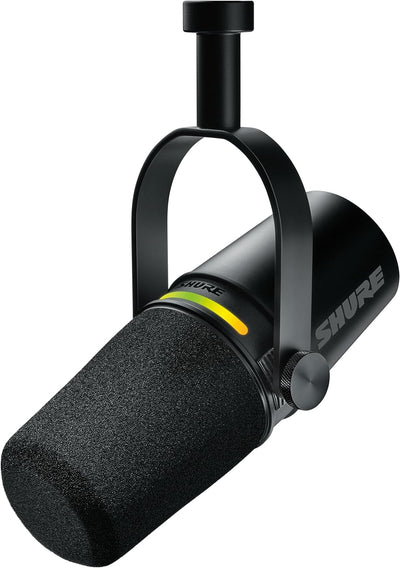
USB vs XLR Microphones: Which Should You Choose?
The eternal mic debate, settled. We break down USB vs XLR — sound quality, setup, cost, and upgradeability — so you can pick the right connection for your ne...