
Guides & Reviews
Expert buying guides, hands-on reviews, and practical how-to articles to help you build the perfect studio setup.

Internet Speed Needs: Streaming, Uploads, Backups by Mbps
Internet speed needs are additive: each simultaneous activity in a household has its own typical Mbps requirement — from under 1 Mbps for music to 15–25 Mbps for 4K video — and the right plan size is the sum of everything running at once, plus hea...
Read Article →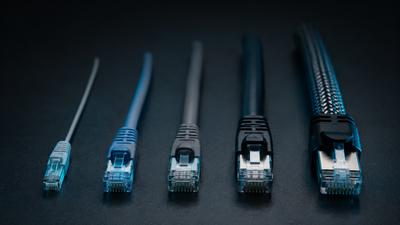
Ethernet Cable Categories: Cat5e to Cat8 Real Differences
Ethernet cable categories differ in three measurable things: maximum speed, the distance that speed holds over, and how much shielding the cable carries agai...
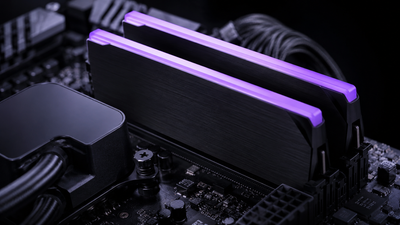
What Is XMP / EXPO / DOCP? RAM Profiles Explained
XMP, AMD EXPO, and DOCP are all names for the same idea: a one-click BIOS setting that runs your RAM at the speed and timings printed on the box instead of t...
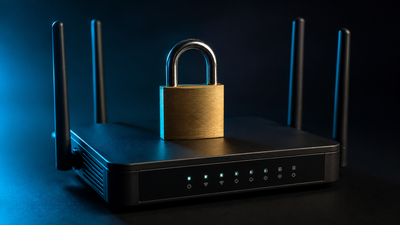
WPA2 vs WPA3: WiFi Security Decoded
WPA2 and WPA3 are WiFi security standards that encrypt wireless traffic and control who can join a network — WPA3 is the newer of the two, finalized in 2018,...
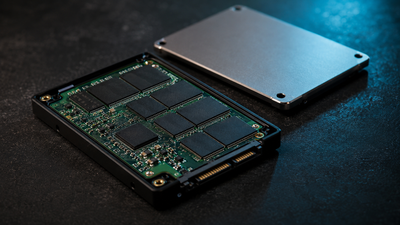
What Is TRIM? Why SSDs Need It
TRIM is a command your operating system sends an SSD to mark deleted files’ blocks as free at the drive level, not just in the file system’s index. Without i...

What Is QoS on a Router?
QoS (Quality of Service) is a router feature that decides which traffic gets priority when the network is busy — sending a video call or game ahead of a larg...
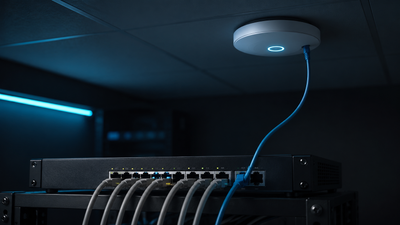
What Is PoE (Power over Ethernet) and How Does It Work?
PoE (Power over Ethernet) sends electrical power and network data down the same Ethernet cable, so a device like a security camera or WiFi access point needs...
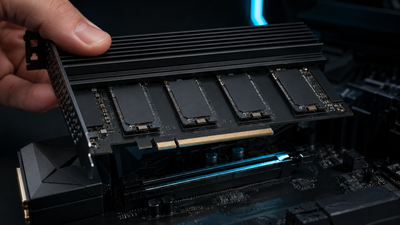
What Is PCIe Bifurcation, and Why Would You Use It?
PCIe bifurcation is a motherboard feature that splits the lanes of a single physical PCIe slot into multiple independent links, letting one x16 slot serve se...
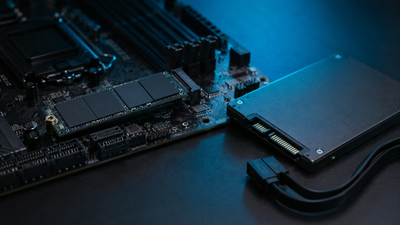
What Is NVMe? And What Happened to AHCI?
NVMe (Non-Volatile Memory Express) is the communication protocol built specifically for flash storage to talk directly to the CPU over PCIe lanes, with massi...
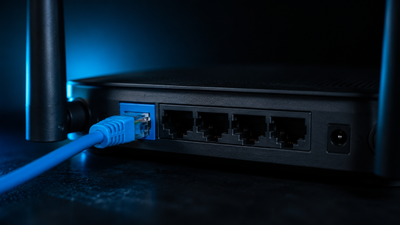
What Is NAT (and Why Port Forwarding Exists)?
NAT (Network Address Translation) is the router feature that lets every device in your home share one public IP address: it rewrites the source address on ou...
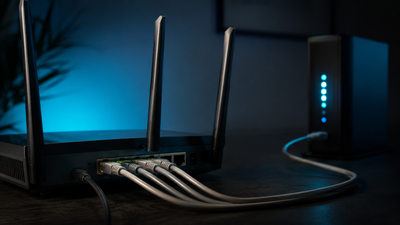
What Does LAN vs WAN Mean? The Difference Explained
A LAN (Local Area Network) is the private network confined to one building or home — your laptop, printer, and NAS talking to each other over WiFi or Etherne...
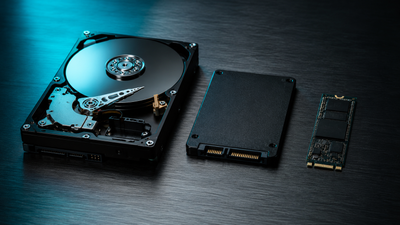
IOPS vs Throughput: What's the Difference?
IOPS (Input/Output Operations Per Second) counts how many individual read or write requests a storage device can handle each second; throughput measures how ...