

AMD
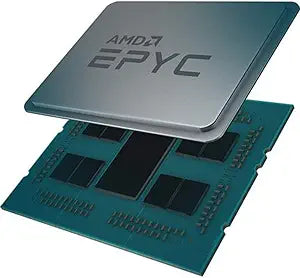
AMD 100-100000043WOF Epyc 7302 Processor - 16 Core Server CPU
155W
Sixteen Zen 2 cores at 3GHz base with 128MB of L3 cache — the EPYC 7302 puts serious server muscle into a single-socket footprint.
$839.95*
View on Amazon
✓ In Stock on Amazon.com
*Price sourced from Amazon.com. Last updated:Oct 21, 2026.Price and availability are subject to change — details.
Affiliate Disclosure: As an Amazon Associate, Studio Supplies earns from qualifying purchases made through links on this page, at no additional cost to you. This helps support our editorial team.
Notice a mistake? Let Us Know
Overview
Key Features
16 CPU cores
Up to 3.3GHz max boost clock
1P/2P socket count
32 # of threads
128MB L3 cache
PCIe 4.0 x128
3GHz base clock
SP3 package
155W default TDP/TDP
DDR4 memory type
Specifications
Processor Model
Epyc 7302
Number of CPU Cores
16
Number of Threads
32
Max Boost Clock
Up to 3.3GHz
Base Clock Speed
3GHz
L3 Cache
128MB
PCIe Version
4.0
PCIe Lanes
x128
Socket Type
SP3
Socket Count
1P/2P
Default TDP
155W
Memory Type
DDR4
Similar Products
Other products from the same family that visitors often consider:
 ✓ Available
AMD EPYC 7281 Renewed 16 Core Server Processor
View on Amazon → ✓ Available
AMD EPYC 7351P 16-Core Server CPU Processor
$299.98
View on Amazon → ✓ Available
AMD Epyc 7513 Tray Server Processor
$1,290.00
View on Amazon → ✓ Available
AMD 100-100000077WOF EPYC 7352 Server Processor
$725.00
View on Amazon → ✓ Available
AMD 100-000000054 EPYC 7502 32-Core Server Processor
$849.75
View on Amazon →Frequently Asked Questions
What socket does the EPYC 7302 use, and which motherboards are compatible?
The 7302 uses AMD's SP3 socket, the same platform shared across the entire EPYC 7002 (Rome) generation. It is compatible with any SP3 motherboard validated for the Rome lineup — look for boards from Supermicro, ASRock Rack, and ASUS that explicitly list EPYC 7002 support. Do not attempt to use it in a Naples (SP3 first-gen) board without confirming firmware support.
Does this processor support dual-socket configurations?
Yes. The 7302 is rated for 1P/2P deployments, meaning you can run two EPYC 7302 processors in a dual-socket motherboard for a combined 32 cores and 64 threads, plus doubled memory channels and PCIe lanes. This makes it a cost-effective path to scaling compute without moving to higher-tier silicon.
How much memory does the EPYC 7302 support, and at what speeds?
As a Rome-generation processor, the 7302 supports DDR4 across eight memory channels per socket (up to 16 DIMMs in a 1P configuration). Supported speeds and maximum capacity depend on the motherboard and DIMM configuration, but registered ECC DDR4 is the standard for server deployments — check your board's QVL for validated modules.
What workloads benefit most from the 128MB L3 cache on this processor?
Database engines (MySQL, PostgreSQL, SQL Server), in-memory analytics, and virtualization platforms that juggle many active threads simultaneously benefit most from the large L3. The cache reduces latency for frequently accessed data, which directly improves query throughput and VM density compared to processors with smaller caches at similar core counts.
Is the 155W TDP manageable in a standard 1U or 2U server chassis?
155W is the default TDP for the 7302. Most 1U and 2U server chassis designed for SP3 processors include cooling solutions rated for this range. That said, verify that your chassis and its included heatsink are rated for 155W or higher — AMD's recommended heatsink specifications should be matched for sustained workloads.
Related Products


