

Crucial
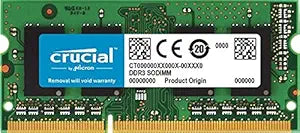
Crucial 4GB Upgrade iMac Late 2009 Memory
★★★★★
Ensure System Stability with Crucial 4GB Apple iMac Memory UpgradeEnhance the performance and reliability of your Apple iMac 3.06GHz Intel Core 2 Duo (27-inch - DDR3) Late 2009 System with this Crucial 4GB memory upgrade. Designed to meet the stringent standards of leading computer manufacturers,...
Check availability
Affiliate Disclosure: Studio Supplies may earn a commission from qualifying purchases made through links on this page, at no additional cost to you. This helps support our editorial team.
Notice a mistake? Let Us Know
Overview
Ensure System Stability with Crucial 4GB Apple iMac Memory Upgrade
Enhance the performance and reliability of your Apple iMac 3.06GHz Intel Core 2 Duo (27-inch - DDR3) Late 2009 System with this Crucial 4GB memory upgrade. Designed to meet the stringent standards of leading computer manufacturers, this DDR3 PC3-8500 module ensures smooth operation and reduces the risk of system failures. Crucial memory undergoes rigorous testing to guarantee top-notch quality and performance.
- Brand: Crucial
- Capacity: 4GB
- Memory Type: DDR3
- Speed: PC3-8500
- Error Checking: Non-ECC
- Compatibility: Apple iMac 3.06GHz Intel Core 2 Duo (27-inch - DDR3) Late 2009 System
Key Features
204-pin SODIMM
DDR3-1066
Desktop/PC
Specifications
Brand
Crucial
Capacity
4GB
Module Type
204-pin SODIMM
Memory Type
DDR3
Speed
1066MHz
Compatibility
iMac Late 2009, Desktop/PC
Pros & Cons
👍 Pros
- Specifically designed as a 4GB upgrade for iMac Late 2009 models, ensuring compatibility and optimal performance.
- Utilizes the 204-pin SODIMM form factor, which is the correct physical specification for many compatible laptops and PCs.
- Operates at DDR3-1066 speeds, providing a suitable performance level for the targeted iMac and other compatible systems.
- Manufactured by Crucial, a brand known for its memory products, offering a degree of reliability.
👎 Cons
- This memory module is designed for older systems like the iMac Late 2009, making it potentially outdated for newer computers.
- The 4GB capacity might be insufficient for users demanding high-performance computing or extensive multitasking on modern applications.
- As a single module, it does not offer the benefits of dual-channel memory configurations unless paired with another compatible stick.
- The DDR3-1066 speed is slower than what is found in many contemporary memory modules, limiting potential speed upgrades for newer systems.
Frequently Asked Questions
Is this Crucial 4GB memory module compatible with all iMac models?
No, this Crucial 4GB memory module is specifically designed as an upgrade for the iMac Late 2009 model.
What type of memory is this module?
This is a DDR3-1066 memory module.
What is the pin configuration of this SODIMM?
This memory module features a 204-pin SODIMM configuration.
Can this memory be used in standard desktop PCs?
Yes, it is also listed as compatible with Desktop/PC systems that support 204-pin DDR3 SODIMM memory.
What is the capacity of this single memory module?
This specific memory module offers a capacity of 4GB.
Related Products


