

Dell
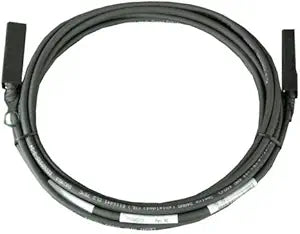
Dell 470-AAVG SFP+ to SFP+ 10GbE Twinax Cable
High-Speed Connectivity for Your NetworkThe Dell Networking SFP+ Direct Attach Twinax Cable provides reliable 10GbE connectivity for your Dell platforms. This copper cable ensures high-speed data transfer over short distances... Specifications: Brand: Dell Model: 470-AAVG Type: SFP+ ...
$69.99*
Check availability
*Price sourced from Amazon.com. Last updated:Jul 15, 2026.Price and availability are subject to change.
Affiliate Disclosure: Studio Supplies may earn a commission from qualifying purchases made through links on this page, at no additional cost to you. This helps support our editorial team.
Notice a mistake? Let Us Know
Overview
High-Speed Connectivity for Your Network
The Dell Networking SFP+ Direct Attach Twinax Cable provides reliable 10GbE connectivity for your Dell platforms. This copper cable ensures high-speed data transfer over short distances...
Specifications:
- Brand: Dell
- Model: 470-AAVG
- Type: SFP+ to SFP+
- Data Rate: 10GbE
- Cable Type: Copper Twinax Direct Attach
- Length: Up to 5 Meters
Key Features
SFP+ to SFP+ direct attach cable DAC - 16.4 ft
Provides 10GbE connectivity up to 5 meters
Use in qualified Dell platforms
Specifications
Cable Type
Twinaxial Network Cable
Length
16.40 ft
Data Transfer Rate
10GbE (10 Gigabit Ethernet)
First End Connector
1 x SFP+ Network
Second End Connector
1 x SFP+ Network
Color
Black
Intended Use
Server, Storage Device
Pros & Cons
👍 Pros
- Offers 10GbE (10 Gigabit Ethernet) connectivity, providing high-speed data transfer suitable for demanding network environments.
- At 16.40 feet, the twinaxial network cable provides sufficient length for connecting servers and storage devices within a rack or between adjacent units.
- Features SFP+ connectors on both ends, ensuring compatibility with SFP+ ports found on modern networking equipment.
- Designed for use with servers and storage devices, indicating its suitability for robust data center applications.
👎 Cons
- The cable is specific to SFP+ to SFP+ connections, limiting its compatibility to devices that utilize this particular port type.
- At 16.40 feet, the fixed length may be either too long or too short for specific networking setups, potentially leading to excess cable or insufficient reach.
- Twinaxial cables are generally not designed for long-distance runs, making them more suitable for intra-rack or short inter-rack connections.
- The cable's black color, while common, might not align with specific aesthetic preferences or color-coding schemes in some data centers.
Frequently Asked Questions
What is the length of the Dell 470-AAVG Twinax network cable?
This Dell Twinaxial Network Cable measures 16.40 feet in length.
What type of connectors does this cable have on each end?
The cable features one SFP+ Network connector on the first end and one SFP+ Network connector on the second end.
What is the intended use of this Dell Twinax cable?
This cable is designed for connecting servers and storage devices, facilitating network communication.
What data transfer speed does this cable support?
The Dell 470-AAVG Twinax cable is rated for 10GbE, supporting high-speed Ethernet connections.
Related Products


