

Dell
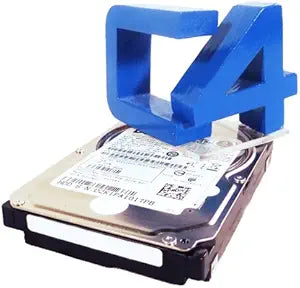
Dell MTV7G 300GB SAS Hard Drive - 10K RPM, 2.5"
A 300GB 10K RPM 2.5" SAS drive from Dell delivering fast, reliable enterprise storage with a 6Gbps interface for servers and workstations.
View price on Amazon
Affiliate Disclosure: Studio Supplies may earn a commission from qualifying purchases made through links on this page, at no additional cost to you. This helps support our editorial team.
Notice a mistake? Let Us Know
Overview
High-Performance Storage for Demanding Applications
The Dell MTV7G 300GB SAS Hard Drive offers a blend of speed and reliability for your critical data storage needs. With a 10K RPM spindle speed and 6Gbps SAS interface, this 2.5" drive delivers responsive performance for servers and workstations.
Specifications:
- Capacity: 300GB
- Interface: SAS
- Speed: 10K RPM
- Form Factor: 2.5"
- Data Transfer Rate: 6Gbps
Frequently Asked Questions
What type of servers is the Dell MTV7G compatible with?
This 2.5" SAS drive is designed for Dell PowerEdge servers and compatible workstations that accept 2.5-inch SAS drives with a 6Gbps interface. Check your server's drive bay specifications to confirm compatibility.
Why choose a 10K RPM SAS drive over an SSD?
A 10K RPM SAS drive offers a lower cost per gigabyte than SSDs while still providing faster access times than standard 7.2K RPM drives. It's a practical choice for environments where budget matters but performance above nearline drives is required.
Does this drive come with a tray or caddy?
The listing is for the bare drive only. If your server requires a specific Dell drive caddy or tray, it will need to be sourced separately.
What is the 6Gbps SAS interface?
SAS (Serial Attached SCSI) at 6Gbps is an enterprise-grade interface that supports full-duplex communication, meaning data can be sent and received simultaneously. It also enables multipath I/O for redundancy in server environments.
Is 300GB sufficient for server use?
At 300GB, this drive is best suited for operating system boot volumes, database transaction logs, or applications where speed matters more than raw capacity. Larger data stores typically use higher-capacity nearline drives.
Related Products


