

Dell
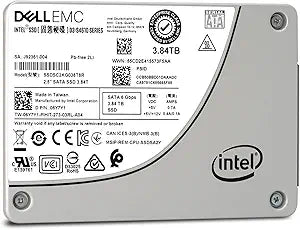
Dell SSDSC2KG038T8RP 3.84TB SATA 6Gb/s Enterprise SSD
★★★★★
Elevate Your Data Center PerformanceIntroducing the Dell Intel S4610 3.84TB Enterprise SSD, designed to replace traditional HDDs and enhance storage operating costs. Accelerate read-intensive workloads with power-efficient performance. Capacity: 3.84TB Interface: SATA 6Gb/s Form Factor: 2.5-i...
$409.99*
Check availability
*Price sourced from Amazon.com. Last updated:Jul 13, 2026.Price and availability are subject to change.
Affiliate Disclosure: Studio Supplies may earn a commission from qualifying purchases made through links on this page, at no additional cost to you. This helps support our editorial team.
Notice a mistake? Let Us Know
Overview
Elevate Your Data Center Performance
Introducing the Dell Intel S4610 3.84TB Enterprise SSD, designed to replace traditional HDDs and enhance storage operating costs. Accelerate read-intensive workloads with power-efficient performance.
- Capacity: 3.84TB
- Interface: SATA 6Gb/s
- Form Factor: 2.5-inch
- End-to-end data protection
- Rated for 3 drive writes per day (DWPD)
- 4KB random read/write of up to 97K/51K IOPS
- Warranty: 5-year limited warranty
Key Features
End-to-end data protections helps keep data safe, even in the event of a power loss
Rated for 3 drive writes per day (DWPD)
4KB random read/write of up to 97K/51K IOPS
2.5in x 7mm form factor with a SATA interface
5-year limited warranty
Specifications
Storage Capacity
3.84TB
Interface
SATA 6Gb/s
Form Factor
2.5in x 7mm
Endurance Rating
3 Drive Writes Per Day (DWPD)
Random Read IOPS (Up To)
97K
Random Write IOPS (Up To)
51K
Warranty
5-year limited
Data Protection
End-to-end data protections
Pros & Cons
👍 Pros
- Offers a massive 3.84TB storage capacity, suitable for extensive enterprise data storage needs.
- Features end-to-end data protection, ensuring data safety even during unexpected power loss events.
- Rated for 3 Drive Writes Per Day (DWPD), indicating high endurance for demanding enterprise workloads.
- Provides strong random read/write performance with up to 97K/51K IOPS, enhancing data access efficiency.
- Comes in a standard 2.5-inch x 7mm form factor with a SATA interface, ensuring broad server compatibility.
👎 Cons
- The SATA 6Gb/s interface, while common, is slower than NVMe solutions, which could limit performance in ultra-high-speed applications.
- A 5-year limited warranty, while substantial, might be less than some enterprise users expect for mission-critical, long-term deployments.
- The 2.5-inch form factor might require drive bays and cabling, whereas M.2 or U.2 drives could offer more compact integration for some systems.
- No specific information is provided regarding power consumption, which is a consideration for large-scale data centers.
- The product focuses on enterprise features; details on consumer-oriented performance or features like AES encryption are not provided.
Frequently Asked Questions
What is the storage capacity of this Dell Enterprise SSD?
This Dell SSDSC2KG038T8RP is an enterprise-grade solid-state drive with a substantial storage capacity of 3.84TB.
What is the endurance rating for this Dell enterprise SSD?
This enterprise SSD is rated for 3 Drive Writes Per Day (DWPD), indicating its high endurance for demanding workloads common in data centers.
Does this SSD offer data protection features?
Yes, this Dell Enterprise SSD includes end-to-end data protections designed to keep data safe, even in the event of a power loss.
What are the random read and write performance metrics for this drive?
It offers strong random performance with up to 97K IOPS for reads and 51K IOPS for writes, facilitating efficient data access.
What form factor and interface does this SSD use?
The Dell Enterprise SSD comes in a 2.5-inch x 7mm form factor and connects via a SATA 6Gb/s interface, ensuring compatibility with standard server infrastructure.
What is the warranty period for this Dell SSD?
This Dell Enterprise SSD is backed by a 5-year limited warranty, providing coverage for a significant period of use.
Related Products


