

Epson
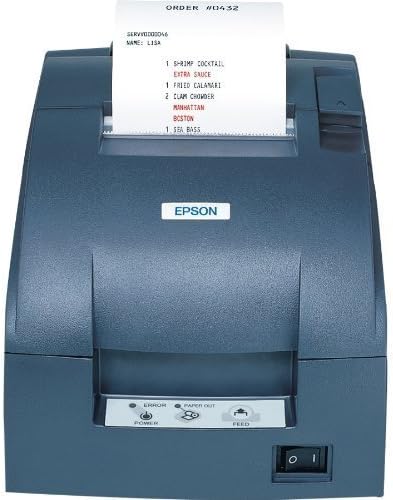
Epson C31C514667 TM-U220B Ethernet Dot Matrix Printer Renewed
★★★★★
Drop-in TM-U200 replacement with Ethernet connectivity that keeps your POS receipt line running without a driver overhaul.
$217.00*$229.40Save 5%
View on Amazon
✓ In Stock on Amazon.com
*Price sourced from Amazon.com. Last updated:Jun 28, 2026.Price and availability are subject to change.
Affiliate Disclosure: Studio Supplies may earn a commission from qualifying purchases made through links on this page, at no additional cost to you. This helps support our editorial team.
Notice a mistake? Let Us Know
Overview
Key Features
Product Type: Dot Matrix Printer
Maximum Mono Print Speed: 6 lps
Maximum Print Resolution: 180 dpi
Number of Pins: 9-pin
Standard Memory: 4 KB
The TM-U220 printers have been designed to be 100% compatible with existing systems that currently use a TM-U200 printer.
Specifications
Brand
Epson
Model
C31C514667 (TM-U220B)
Printer Type
9-pin Dot Matrix Impact
Print Speed
6 lps
Print Resolution
180 dpi
Number of Pins
9
Standard Memory
4 KB
Connectivity
Ethernet
Autocutter
Yes
Color
Dark Gray
TM-U200 Compatible
Yes (100%)
Condition
Renewed
Pros & Cons
👍 Pros
- 100% TM-U200 compatibility means zero software or driver changes when swapping into an existing POS installation
- Ethernet connectivity integrates cleanly into networked point-of-sale environments without USB or serial adapter workarounds
- Impact dot matrix mechanism supports carbon copy and multipart paper — essential for kitchen dupe tickets and validation receipts that thermal printers can't produce
- Autocutter reduces manual paper handling at high-throughput receipt stations
- Renewed pricing delivers significant cost reduction over new hardware for budget-constrained deployments
👎 Cons
- 6 lps print speed is adequate for moderate volume but becomes a bottleneck during peak transaction periods in high-traffic environments
- 180 dpi resolution is functional for receipts but produces noticeably lower print quality than modern thermal alternatives — barcode readability at small sizes should be tested
- 4 KB standard memory is minimal — complex receipt templates or large transaction datasets may require careful formatting to avoid buffer limitations
- As a renewed unit, no guarantee on remaining autocutter life cycle — critical to verify before deploying in a production environment without a spare unit on hand
- Dot matrix impact mechanism is louder in operation than thermal printers — relevant in customer-facing or open-plan environments where noise is a concern
Frequently Asked Questions
Is the TM-U220B a direct replacement for an existing TM-U200 installation?
Yes — the TM-U220 series was engineered for 100% compatibility with existing TM-U200 systems. You can swap the hardware without rewriting POS software or replacing drivers, which is the primary reason this printer is deployed in legacy system upgrades.
What does "Renewed" mean for this unit and what condition should I expect?
Renewed units have been inspected, tested, and reconditioned to functional specification. The print mechanism, autocutter, and Ethernet port should perform to spec, but cosmetic wear is typical. Verify return policy before purchasing for a production POS environment.
How fast is 6 lps in practical terms for a busy receipt queue?
At 6 lines per second, a standard retail receipt prints in a few seconds. For moderate-volume environments — restaurant tables, retail counters — throughput is adequate. High-volume environments like quick-service food or ticketing may find the 6 lps ceiling limiting during peak load.
Does the TM-U220B require proprietary receipt paper or will standard rolls work?
The TM-U220B is a 9-pin dot matrix impact printer — it uses standard impact receipt paper, not thermal rolls. Impact paper is widely available and is the appropriate choice when carbon copy receipts or kitchen dupe tickets are required.
What is the autocutter's maintenance interval and can it be replaced in the field?
Autocutter longevity data is not provided in the available specifications. For high-volume deployments, track cut counts and have a service contract or replacement unit staged before failure disrupts operations.
Related Products


