



EVGA
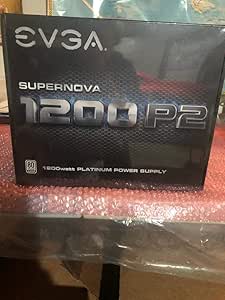
EVGA 220-P2-1200-X1 SuperNOVA 1200 P2 1200W Platinum PSU
1200W of 80 PLUS Platinum efficiency and full modularity gives high-draw systems clean, stable power with zero cable clutter.
Check availability
Affiliate Disclosure: As an Amazon Associate, Studio Supplies earns from qualifying purchases made through links on this page, at no additional cost to you. This helps support our editorial team.
Notice a mistake? Let Us Know
Overview
Specifications
Model
SuperNOVA 1200 P2
Wattage
1200W
Efficiency Rating
Platinum
Frequently Asked Questions
What does 80 PLUS Platinum certification actually mean in terms of real-world power draw?
80 PLUS Platinum requires at least 92% efficiency at 50% load. In practice, a 1200W Platinum PSU running a 600W load wastes approximately 52W as heat versus a Bronze unit wasting roughly 90W under the same load. Over time that efficiency gap reduces heat in the case, lowers electricity cost, and reduces fan spin-up frequency — all measurable in a high-draw workstation or multi-GPU rig.
Is 1200W actually necessary, or is this PSU overkill for most builds?
For a single-GPU gaming build with a mid-range CPU, 1200W is overkill — a 750W or 850W unit typically suffices. The SuperNOVA 1200 P2 targets systems with high combined TDP: dual-GPU setups, extreme overclocked platforms, or workstations running multiple storage arrays and PCIe cards simultaneously. The benefit of overprovisioning is that the PSU runs at lower percentage load, which is where Platinum efficiency peaks and where fan noise drops lowest.
What does fully modular mean, and why does it matter?
Fully modular means no cables are permanently attached to the PSU — every connector, including the 24-pin ATX motherboard cable, is detachable. This allows you to install only the cables your build requires, eliminating excess cabling that would otherwise need to be stuffed behind the motherboard tray, restricting airflow and increasing build complexity.
Is the SuperNOVA 1200 P2 compatible with ATX12V and EPS12V systems?
Yes. The 1200 P2 supports both ATX12V and EPS12V standards, covering standard desktop motherboards and workstation/server motherboards that require the 8-pin EPS CPU power connector. This dual compliance makes it suitable for HEDT platforms like Intel X299 or AMD TRX40 that often require two EPS12V connectors.
What warranty does this unit carry?
EVGA's SuperNOVA P2 series ships with a 10-year warranty, which is among the longest in the consumer PSU market. This is a meaningful differentiator — PSU warranties directly reflect the manufacturer's confidence in the unit's capacitor and component longevity under sustained load.
Related Products


