
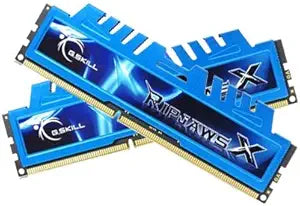
G.Skill F3-2133C10D-8GXM 8GB DDR3 Desktop Memory
High-Performance Memory for Gaming and OverclockingThe G.SKILL Ripjaws X Series memory kit delivers exceptional speed and reliability for gaming, content creation, and demanding applications. With its optimized DDR3 design and high clock speeds, this memory module enhances system performance and ...
*Price sourced from Amazon.com. Last updated:Oct 21, 2026.Price and availability are subject to change — details.
Notice a mistake? Let Us Know
Overview
High-Performance Memory for Gaming and Overclocking
The G.SKILL Ripjaws X Series memory kit delivers exceptional speed and reliability for gaming, content creation, and demanding applications. With its optimized DDR3 design and high clock speeds, this memory module enhances system performance and responsiveness.
Specifications:- Capacity: 8GB (2 x 4GB)
- Memory Type: DDR3
- Speed: 2133 MHz (PC3 17000)
- Form Factor: 240-pin DIMM
Key Features
DDR3 2133(PC3 17000)
Timing 10-12-12-31
Cas Latency 10, Voltage 1.6V
Compatible with Intel LGA1155 platformsIntel XMP support for 2nd and 3rd Generation Intel Core Processors
240-Pin DDR3 SDRAM
Specifications
Frequently Asked Questions
Related Products


