


G.Skill F5-6000J3636F16GX2-TZ5NR Trident Z5 Neo RGB 32GB DDR5-6000 CL36
DDR5-6000 at CL36 with native AMD EXPO support — this kit delivers the memory bandwidth that Ryzen 7000 and 9000 series processors are built to exploit.
*Price sourced from Amazon.com. Last updated:Oct 25, 2026.Price and availability are subject to change — details.
Notice a mistake? Let Us Know
Overview
Key Features
* Requires overclocking/BIOS adjustments. Maximum speed and performance depends on system components, including motherboard and CPU.
G.SKILL Trident Z5 Neo RGB Series DDR5 U-DIMM Memory Kit, Model: F5-6000J3636F16GX2-TZ5NR
Non-ECC, DDR5 U-DIMM, 288-pin, for Desktop PC & Gaming
Includes JEDEC default profile, and AMD EXPO & Intel XMP 3.0 memory overclock profile
Do not mix memory kits. Memory kits are sold in matched kits that are designed to run together as a set. Mixing memory kits will result in stability issues or system failure.
For Intel Z890, Intel Z790, Intel Z690, Intel B860, Intel B760, Intel B660, AMD X870, AMD X670, AMD B850, AMD B840, AMD B650, AMD A620 platforms. Refer to G.SKILL memory QVL or RAM Configurator tool on the G.SKILL website for more details on validated motherboard and hardware.
Usage in any manner inconsistent with manufacturer specifications, warnings, designs, or recommendations will result in lower speeds, system instability, or damage to the system or its components.
Memory kits will boot at JEDEC default SPD speed at default BIOS settings with compatible hardware.
Visit the G.SKILL warranty policy webpage for more details.
Specifications
Similar Products
Other products from the same family that visitors often consider:
 Currently Unavailable
G.Skill F5-5600J3036D16GX2-TZ5NR Trident Z5 NEO RGB 32GB DDR5
Check on Amazon → Currently Unavailable
G.Skill F5-5600J2834F16GX2-TZ5NR Trident Z5 NEO RGB 32GB DDR5 5600
Check on Amazon →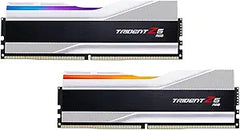 Currently Unavailable
G.Skill Trident Z5 RGB 32GB DDR5 5200 Memory
Check on Amazon → ✓ Available
G.Skill F5-6000J3038F16GX2-TZ5NR Trident Z5 Neo RGB 32GB DDR5 6000MHz
View on Amazon → ✓ Available
G.Skill F5-6000J3636F16GA2-TZ5RK 32GB Trident Z5 RGB DDR5
Frequently Asked Questions
Related Products


