


Hitachi
Hitachi 3272219-E 300GB 10K FC Hot-Swap Hard Drive
Maximize Server Performance with Enterprise-Grade StorageIntroducing the Hitachi 3272219-E 300GB Internal Hard Drive. A high-speed, hot-swappable solution engineered for critical server applications needing reliability and speed. Capacity: 300GB Speed: 10000 RPM Interface: FC (Fibre ...
$170.00*
View on Amazon
✓ In Stock on Amazon.com
*Price sourced from Amazon.com. Last updated:Jun 04, 2026.Price and availability are subject to change.
Affiliate Disclosure: Studio Supplies may earn a commission from qualifying purchases made through links on this page, at no additional cost to you. This helps support our editorial team.
Notice a mistake? Let Us Know
Overview
Maximize Server Performance with Enterprise-Grade Storage
Introducing the Hitachi 3272219-E 300GB Internal Hard Drive. A high-speed, hot-swappable solution engineered for critical server applications needing reliability and speed.
- Capacity: 300GB
- Speed: 10000 RPM
- Interface: FC (Fibre Channel)
- Form Factor: 3.5"
- Hot-Swappable: Yes
Specifications
Capacity
300GB
Spindle Speed
10K RPM
Interface
FC (Fibre Channel)
Form Factor
Hot-Swap
Similar Products
Other products from the same family that visitors often consider:
 ✓ Available
Hitachi HUS156030VLF400 300GB 15K FC Hard Drive
$51.46
View on Amazon → ✓ Available
Hitachi HUC106030CSS600 300GB 10K SAS 2.5" HDD
$53.00
View on Amazon →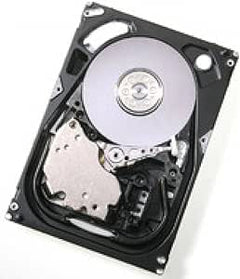 ✓ Available
Hitachi HUS154530VLS300 300GB SAS Hard Drive - 15K RPM
$30.00
View on Amazon → ✓ Available
Hitachi 08K0322 146GB 10K RPM SCSI Hard Drive
View on Amazon →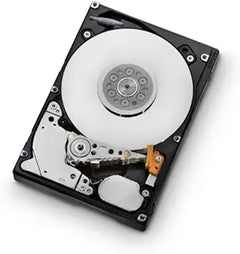 ✓ Available
Hitachi 0B26012 Ultrastar 450GB SAS 10K RPM Hard Drive
$45.00
View on Amazon →Pros & Cons
👍 Pros
- Features a 300GB storage capacity, suitable for enterprise applications requiring moderate data volumes.
- Operates at a 10K RPM spindle speed, delivering quick data access and transfer rates for demanding tasks.
- Designed as a hot-swap hard drive, allowing for replacement or upgrade without system downtime.
- Utilizes Fibre Channel (FC) interface, known for its high bandwidth and robust connectivity in server environments.
- Offers enhanced reliability for continuous operation in data center or server configurations.
👎 Cons
- The 300GB capacity may be insufficient for modern applications requiring extensive storage space.
- Fibre Channel (FC) interface is specialized, requiring specific infrastructure not common in all server setups.
- As a 10K RPM drive, it likely consumes more power and generates more heat compared to slower or SSD alternatives.
- Being a hard disk drive, it will have slower performance characteristics than solid-state drives (SSDs) available today.
- Detailed specifications regarding cache size, form factor, or average latency are not provided.
Frequently Asked Questions
What is the storage capacity of this Hitachi hard drive?
This Hitachi hard drive offers a storage capacity of 300GB, suitable for various data storage needs in server environments.
What is the spindle speed of this hard drive?
The hard drive operates at a 10K RPM (rotations per minute) spindle speed, contributing to faster data access times.
What type of interface does this hard drive use?
It uses a Fibre Channel (FC) interface, which is commonly found in high-performance enterprise storage systems.
Is this hard drive designed for hot-swapping?
Yes, this Hitachi hard drive is a hot-swap model, allowing for replacement without needing to power down the system.
Does this drive come with any specific mounting hardware?
The product description indicates it is a hot-swap drive, implying it is designed for existing hot-swap bays, but specific mounting hardware details are not provided.
Related Products


