



HP
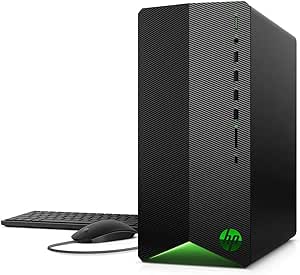
HP 2285T Pavilion Gaming Desktop i7 RTX 3060 1TB SSD + 2TB HDD
i7-1170016GB DDR41TB SSD2TB HDDUSB 2.0
RTX 3060's 12GB GDDR6 frame buffer and an 8-core i7-11700 give this tower the GPU memory headroom that cuts corners elsewhere.
Check availability
Affiliate Disclosure: Studio Supplies may earn a commission from qualifying purchases made through links on this page, at no additional cost to you. This helps support our editorial team.
Notice a mistake? Let Us Know
Overview
Key Features
【High Speed RAM And Enormous Space】16GB DDR4 RAM to smoothly run multiple applications and browser tabs all at once; 1TB PCIe Solid State Drive + 2TB Hard Disk Drive allows to fast bootup and data transfer
【Powerful i7 Processor】Intel Core i7-11700 processor (8 Cores, 16 Threads, 16MB Cache, 2.50GHz Base Frequency, Up to 4.90GHz Max Turbo Frequency), NVIDIA GeForce RTX 3060 (12 GB GDDR6 dedicated)
【Tech Specs】1 x SuperSpeed USB Type-C 5Gbps signaling rate; 2 x SuperSpeed USB Type-A 10Gbps signaling rate; 2 x SuperSpeed USB Type-A 5Gbps signaling rate; 1 x headphone/microphone combo; 4 x USB 2.0 Type-A; 1 x audio-in; 1 x audio-out; 1 x microphone; 1 x RJ-45; 1 x HDMI; 3 x DisplayPort; Wired Keyboard&Mouse
【Operating System】Windows 11 Home - Beautiful, more consistent new design, Great window layout options, Better multi-monitor functionality, Improved performance features, New videogame selection and capabilities, Compatible with Android Apps
Specifications
Processor
Intel Core i7-11700, 8-Core/16-Thread, 2.50GHz base / 4.90GHz boost, 16MB cache
Memory
16GB DDR4 SDRAM
Storage
1TB PCIe SSD + 2TB HDD
Graphics
NVIDIA GeForce RTX 3060, 12GB GDDR6
Operating System
Windows 11 Home
Front Ports
1x USB Type-C 5Gbps, 2x USB Type-A 10Gbps, 2x USB Type-A 5Gbps, 1x headphone/mic combo
Rear Ports
4x USB 2.0 Type-A, 1x audio-in, 1x audio-out, 1x microphone, 1x RJ-45, 1x HDMI, 3x DisplayPort
Wireless
802.11ac Wi-Fi, Bluetooth
Included Peripherals
Wired Keyboard & Mouse
Dimensions
6.12 x 11.93 x 13.28 inches
Weight
13.14 lbs
Color
Black
Pros & Cons
👍 Pros
- RTX 3060's 12GB GDDR6 frame buffer is the largest in its price tier — it avoids VRAM saturation at 1440p and handles large texture packs that 6–8GB cards struggle with.
- i7-11700's 8-core/16-thread configuration at 4.9GHz single-core boost handles both gaming frame rates and simultaneous streaming/encoding without core contention.
- 1TB PCIe SSD plus 2TB HDD dual-storage configuration provides fast primary storage and bulk capacity without requiring an immediate external drive purchase.
- Four simultaneous display outputs (1x HDMI + 3x DisplayPort) from the RTX 3060 enable multi-monitor productivity or gaming setups out of the box.
- Front-panel USB layout includes both Type-C (5Gbps) and Type-A (10Gbps) ports, providing high-speed peripheral access without reaching to the rear of the case.
👎 Cons
- i7-11700 (non-K) is locked — HP's OEM BIOS does not expose overclocking controls, so the 4.9GHz max boost is a hard ceiling with no headroom for manual tuning.
- 802.11ac (Wi-Fi 5) wireless falls behind the Wi-Fi 6/6E standard now common on competing gaming desktops at this price, requiring an additional card for future-proofed wireless.
- 16GB DDR4 runs as a single-channel configuration in some HP Pavilion builds — verify dual-channel seating before benchmarking, as single-channel memory constrains the i7-11700's memory bandwidth by nearly 40%.
- The tower's 6.12 × 11.93 × 13.28-inch OEM case offers limited internal airflow compared to full-ATX gaming towers, which can cause thermal throttling under sustained CPU+GPU load in warm environments.
- Rear USB 2.0 ports (4x) are legacy-speed and bottleneck high-bandwidth peripherals like fast external SSDs that get incorrectly plugged into them.
Frequently Asked Questions
Does the RTX 3060 in this desktop use the full 170W TDP or a lower power-limited variant?
Desktop RTX 3060 cards run at full 170W TDP, unlike the laptop Max-Q variants that are power-limited to 60–80W. That means you get the card's full rasterization throughput — roughly 13 TFLOPS — rather than a thermally restricted mobile chip. The distinction matters when comparing benchmark scores across configurations.
The storage includes both a 1TB SSD and a 2TB HDD — how should I allocate them?
The 1TB PCIe SSD is your primary drive for the OS, applications, and games you play actively — PCIe NVMe delivers the fast load times. The 2TB HDD (typically 5400–7200 RPM) is best used for asset archives, recordings, completed project files, and infrequently accessed games. Mixing the two avoids paying SSD pricing for bulk cold storage.
How many monitors can this desktop drive simultaneously?
The RTX 3060 provides 1x HDMI and 3x DisplayPort outputs. You can connect up to four displays simultaneously. The RTX 3060's 12GB GDDR6 frame buffer handles multi-monitor configurations without the memory pressure that affects 6–8GB cards at higher resolutions.
Is the i7-11700 overclockable on this HP Pavilion platform?
No. The i7-11700 (non-K) has a locked multiplier, and HP's OEM motherboards do not expose overclocking controls in the BIOS. You get full access to Intel Turbo Boost (up to 4.9GHz on a single core), but manual overclocking is not supported on this platform.
What Wi-Fi standard does this desktop use, and is it upgradeable?
The HP Pavilion Gaming Desktop ships with 802.11ac (Wi-Fi 5) wireless. For users requiring Wi-Fi 6 or 6E performance, adding an M.2 or PCIe Wi-Fi card is the upgrade path, as the OEM card is typically replaceable.
Related Products


