



HP
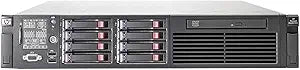
HP ASISVR112 ProLiant DL380 G6 Server - Dual Xeon, 256GB, 8TB SSD (Renewed)
8TB SSD
Twelve cores, 256GB RAM, and 8TB of SSD throughput make this renewed DL380 G6 a rack-mount workhorse for virtualization and database workloads.
View price on Amazon
Affiliate Disclosure: As an Amazon Associate, Studio Supplies earns from qualifying purchases made through links on this page, at no additional cost to you. This helps support our editorial team.
Notice a mistake? Let Us Know
Overview
Powerhouse Performance for Demanding Workloads
The HP ProLiant DL380 G6 Server (Renewed) is a powerful and reliable server solution designed for business-critical applications. Featuring dual Intel Xeon processors, a large amount of memory, and fast solid-state storage, this server delivers exceptional performance for virtualization, databases, and other demanding workloads. This renewed product has been tested and certified.
Specifications:
- Processors: Dual (2) Intel Xeon X5675 6-Core 3.06GHz 12MB CPUs
- Memory: 256GB DDR3 Registered Memory
- Storage: 8TB (8 x 1TB) 6Gb/s Solid State Drives
- Networking: Onboard Quad Intel GbE NICs
- Power Supply: Redundant Power Supplies
Key Features
HP ProLiant DL380 G6 Server for business server roles such as virtualization, applications, and databases!
Dual (2) Intel Xeon X5675 6-Core 3.06GHz 12MB CPUs; 256GB DDR3 Registered Memory
8TB (8 x 1TB) 6Gb/s Solid State Drives for Ultra Fast Storage
Redundant Power Supplies, Onboard Quad Intel GbE NICs
Frequently Asked Questions
What virtualization workloads can the dual X5675 configuration realistically handle?
The dual X5675 configuration delivers 12 physical cores (24 threads via Hyper-Threading) at 3.06GHz each. That's enough compute headroom to run 20–40 moderate VMs under VMware ESXi or Hyper-V, depending on workload density. The 256GB DDR3 registered ECC memory is the real multiplier here — most virtualization bottlenecks hit RAM before CPU.
Is this server compatible with modern hypervisors like ESXi 7 or Windows Server 2022?
ESXi 7.0 is the practical ceiling for the X5675's microarchitecture (Westmere-EP); VMware dropped official support for this CPU generation in ESXi 8. Windows Server 2019 and 2022 install and run correctly. For ESXi, versions 6.5–6.7 offer full driver support and are commonly used with this platform.
What does "6Gb/s SSD" mean for actual I/O throughput on the 8-drive configuration?
The 6Gb/s designation refers to the SATA III interface ceiling of ~600MB/s per port. With eight drives connected through the onboard Smart Array controller, sequential throughput in a RAID 10 array will typically reach 1.5–2.5GB/s depending on controller configuration — a substantial improvement over spinning disk arrays in the same chassis.
Does this unit include rails for rack mounting?
The listing does not specify rail kit inclusion. The DL380 G6 uses HP's Rapid Deploy rail system, but renewed units frequently ship without rack hardware. Confirm with the seller before purchasing if rack integration is required.
What is the memory configuration for the 256GB — how many DIMMs and at what speed?
The X5675 platform supports DDR3 registered ECC at up to 1333MHz across 18 DIMM slots (9 per processor). 256GB is most commonly achieved with 16 x 16GB RDIMMs. Running all slots populated can reduce per-channel bandwidth slightly due to rank loading — a known Westmere-EP behavior.
Related Products


