

HP
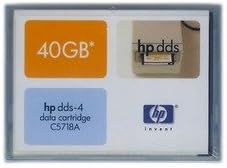
HP C5718A DDS-4 20/40GB Data Tape Cartridge
20GB native / 40GB compressed capacity in a proven 4mm DDS-4 format — reliable archival performance for DAT-based backup systems.
$13.69*
View on Amazon
✓ In Stock on Amazon.com
*Price sourced from Amazon.com. Last updated:Oct 23, 2026.Price and availability are subject to change — details.
Affiliate Disclosure: As an Amazon Associate, Studio Supplies earns from qualifying purchases made through links on this page, at no additional cost to you. This helps support our editorial team.
Notice a mistake? Let Us Know
Overview
Specifications
Type
DDS-4 Data Tape Cartridge
Native Capacity
20 GB
Compressed Capacity
40 GB
Similar Products
Other products from the same family that visitors often consider:
 Currently Unavailable
HP C5718A DAT DDS4 4MM 40GB Data Cartridge
Check on Amazon →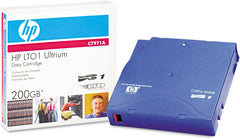 ✓ Available
HP HEWC7971A LTO Ultrium 1 Data Tape Cartridge
$13.99
View on Amazon → Currently Unavailable
HP 2M2M230 LTO Ultrium-7 Data Cartridge Tape
Check on Amazon → Currently Unavailable
HP 8 mm AIT-1 Cartridge HEWQ1997A Data Tape
Check on Amazon → ✓ Available
HP Q1999A AIT-3 100/200GB Data Tape Cartridge
View on Amazon →Frequently Asked Questions
What backup hardware is this cartridge compatible with?
The HP C5718A is a DDS-4 format cartridge requiring a DDS-4 (DAT-72 predecessor) tape drive. It is not forward-compatible with DDS-5/DAT-72 or DAT-160/320 drives, and will not work in DDS-1, DDS-2, or DDS-3 drives. Verify your drive's format support before purchasing.
What is the real-world capacity I should plan for?
The native (uncompressed) capacity is 20GB. The 40GB compressed figure assumes a 2:1 compression ratio, which is only achievable with highly compressible data like text files or databases. Binary files, already-compressed archives, and media files will land much closer to the 20GB native figure.
How many read/write cycles can I expect before reliability degrades?
HP rates this cartridge at 5,000 head passes. For a typical backup-and-verify cycle, that translates to hundreds of complete backup cycles under normal use — sufficient for long-term archival rotation if the cartridge is stored and handled correctly.
What are the storage conditions for long-term archival use?
Magnetic tape degrades faster when exposed to high humidity, temperature fluctuations, or magnetic fields. For long-term archival, store cartridges in a controlled environment: 18–28°C, 20–60% relative humidity, away from magnetic sources and direct sunlight.
Is DDS-4 still a viable format for new archival deployments?
DDS-4 is a legacy format. For systems already running DDS-4 infrastructure, this cartridge is a reliable consumable. New deployments should evaluate modern tape formats (LTO-8 and beyond) which offer dramatically higher capacity, faster throughput, and longer manufacturer support lifecycles.
Related Products


