

HP
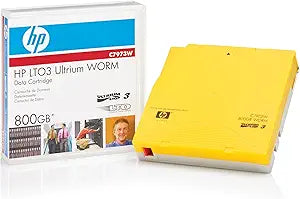
HP C7973W LTO Ultrium Worm Data Cartridge 800GB
Exceptional Reliability for Long-Term Data ArchivingHP LTO Ultrium WORM (Write Once Read Many) tape cartridges offer a secure and reliable solution for long-term data archiving. Designed to prevent data overwriting or alteration, these cartridges ensure data integrity and compliance with regulato...
Check availability
Affiliate Disclosure: As an Amazon Associate, Studio Supplies earns from qualifying purchases made through links on this page, at no additional cost to you. This helps support our editorial team.
Notice a mistake? Let Us Know
Overview
Exceptional Reliability for Long-Term Data Archiving
HP LTO Ultrium WORM (Write Once Read Many) tape cartridges offer a secure and reliable solution for long-term data archiving. Designed to prevent data overwriting or alteration, these cartridges ensure data integrity and compliance with regulatory requirements.
Specifications:
- Brand: HP
- Model: C7973W
- Tape Type: LTO Ultrium WORM
- Capacity: 800 GB
Key Features
Sold as 1 EA.
Write-once WORM. Native AES-256 bit key encryption.
Active internal head cleaning; self-diagnostic capacities.
Dependable record retention.
Specifications
Brand
HP
Model
C7973W LTO Ultrium Worm
Capacity
800GB
Format
LTO Ultrium
Encryption
AES-256 bit key
Feature
Write-Once Read-Many (WORM)
Frequently Asked Questions
What is the storage capacity of the HP C7973W LTO Ultrium Worm Data Cartridge?
This data cartridge has a capacity of 800GB.
Does this cartridge support encryption?
Yes, it supports native AES-256 bit key encryption for secure data storage.
What does "WORM" signify in the product name?
"WORM" stands for Write-Once Read-Many, meaning data written to the cartridge cannot be altered or erased, ensuring data integrity.
What features contribute to the reliability of this data cartridge?
It includes active internal head cleaning and self-diagnostic capacities to ensure dependable record retention.
Is this cartridge sold individually or in a pack?
This HP C7973W LTO Ultrium Worm Data Cartridge is sold as 1 EA, meaning one unit per purchase.
Related Products


