

HP
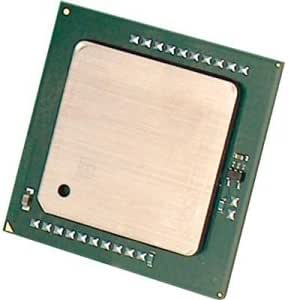
HP E5-2690 Xeon 2.90 GHz Processor Upgrade Kit
Enhance Server Performance with the HP Xeon E5-2690 Processor Upgrade your server with the HP Xeon E5-2690 processor for improved performance and efficiency. This processor delivers exceptional performance for demanding applications and data center workloads. Specifications: Brand: HP Mod...
$675.51*
Check availability
*Price sourced from Amazon.com. Last updated:Oct 21, 2026.Price and availability are subject to change — details.
Affiliate Disclosure: As an Amazon Associate, Studio Supplies earns from qualifying purchases made through links on this page, at no additional cost to you. This helps support our editorial team.
Notice a mistake? Let Us Know
Overview
Enhance Server Performance with the HP Xeon E5-2690 Processor
Upgrade your server with the HP Xeon E5-2690 processor for improved performance and efficiency. This processor delivers exceptional performance for demanding applications and data center workloads.
Specifications:
- Brand: HP
- Model: Xeon E5-2690
- Socket Type: LGA-2011
- Clock Speed: 2.90 GHz
Key Features
Hp Intel Xeon E5-2690 Octa-core (8 Core) 2.90 Ghz Processor Upgrade - Socket Lga-2011 - 2 Mb - 20 Mb Cache - 8 Gt/s Qpi - Yes - 32 Nm - 135 W - 161.6°f (72°c) - 1.4 V Dc - Rohs Compliance
Specifications
Processor Model
Intel Xeon E5-2690
Processor Cores
Octa-core (8 Core)
Base Clock Speed
2.90 GHz
Socket Type
LGA-2011
L2 Cache
2 MB
L3 Cache
20 MB
QPI Speed
8 GT/s
Manufacturing Process
32 nm
Thermal Design Power (TDP)
135 W
Maximum Operating Temperature
161.6°F (72°C)
Voltage
1.4 V Dc
Compliance
RoHS
Frequently Asked Questions
What is the core count and clock speed of this processor?
The HP Intel Xeon E5-2690 is an Octa-core (8 Core) processor with a base clock speed of 2.90 GHz, designed to handle demanding workloads efficiently.
What kind of socket does this processor require?
This processor is designed for systems utilizing a Socket LGA-2011, ensuring compatibility with specific motherboard architectures.
What is the cache size of this Xeon processor?
The processor features a 2 MB L2 cache and a larger 20 MB L3 cache, which helps in improving data access times and overall system responsiveness.
What is the power consumption of this processor?
The Intel Xeon E5-2690 has a Thermal Design Power (TDP) of 135 W, indicating its power consumption under typical workload conditions.
Is this processor environmentally compliant?
Yes, this processor is noted to be RoHS compliant, meaning it adheres to restrictions on hazardous substances in electrical and electronic equipment.
Related Products


