



HP
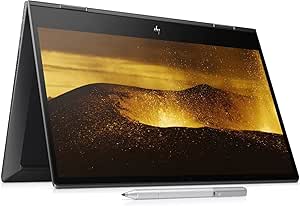
HP Envy x360 Ryzen 7 Laptop 16GB 1TB SSD Touchscreen
★★★★★
FHD1920 x 1080Ryzen 7 5700U1TB SSDDisplayPort
The HP Envy x360 pairs a Ryzen 7 5700U with 32GB RAM and a 360-degree hinge to handle heavy multitasking and creative work in a portable form factor.
$999.00*
Check availability
*Price sourced from Amazon.com. Last updated:Jun 04, 2026.Price and availability are subject to change.
Affiliate Disclosure: Studio Supplies may earn a commission from qualifying purchases made through links on this page, at no additional cost to you. This helps support our editorial team.
Notice a mistake? Let Us Know
Overview
Key Features
【Memory & Storage】 Memory is 32GB high-bandwidth RAM to run multiple applications and browser tabs all at once smoothly, Hard Drive is 2TB PCIe NVMe M.2 Solid State Drive allows to fast bootup and data transfer, and ample storage space
【Processor】 AMD Ryzen 7 5700U 1.8GHz Octa-Core Processor up to 4.3GHz, AMD Radeon Graphics
【Screen】 15.6" diagonal FHD, IPS, micro-edge, WLED-backlit, multitouch-enabled, edge-to-edge glass, 250 nits (1920 x 1080)
【Ports】 1 x USB Type-C (10Gbps signaling rate, Power Delivery, DisplayPort 1.4, HP Sleep and Charge), 1 x USB Type-A (10Gbps signaling rate, HP Sleep and Charge), 1 x USB Type-A (10Gbps signaling rate), 1 x HDMI 2.0, 1 x AC smart pin, 1 x headphone/microphone combo, 1 x Multi-format SD media card reader, Wireless-AC Wi-Fi 6 AX 200 (2x2) and Bluetooth 5 combo
【Operating System】Windows 10 Home 64-bit, Free Upgrade to Windows 11 When Available
Specifications
Processor
AMD Ryzen 7 5700U Octa-Core
Processor Speed
1.8GHz up to 4.3GHz
Graphics
AMD Radeon Graphics
Memory
32GB high-bandwidth RAM
Storage
2TB PCIe NVMe M.2 Solid State Drive
Screen Size
15.6"
Screen Resolution
1920 x 1080 (FHD)
Screen Type
IPS, micro-edge, WLED-backlit, multitouch-enabled, edge-to-edge glass
Brightness
250 nits
Operating System
Windows 10 Home 64-bit (Free Upgrade to Windows 11 When Available)
USB Type-C Ports
1 (10Gbps signaling rate, Power Delivery, DisplayPort 1.4, HP Sleep and Charge)
USB Type-A Ports
2 (10Gbps signaling rate, one with HP Sleep and Charge)
HDMI Port
1 (HDMI 2.0)
Other Ports
1 x AC smart pin, 1 x headphone/microphone combo, 1 x Multi-format SD media card reader
Wireless Connectivity
Wireless-AC Wi-Fi 6 AX 200 (2x2) and Bluetooth 5 combo
Pros & Cons
👍 Pros
- Ryzen 7 5700U octa-core processor handles sustained multithreaded workloads that choke quad-core budget competitors
- 32GB of RAM eliminates the bottleneck of memory pressure during heavy browser sessions, virtual machines, or multi-application creative workflows
- 2TB PCIe NVMe SSD provides both fast boot performance and enough capacity to avoid constant storage management
- 360-degree hinge enables genuine tablet and presentation modes, extending the laptop's utility beyond a standard clamshell design
- Wi-Fi 6 AX200 support delivers faster and more reliable wireless throughput on compatible routers than Wi-Fi 5 systems
👎 Cons
- Integrated AMD Radeon graphics cannot be upgraded and limits the system to light gaming and non-GPU-accelerated creative work
- The 15.6-inch FHD panel at 250 nits is dimmer than competing displays at this tier, making outdoor or bright-room use uncomfortable
- USB-C port lacks Thunderbolt protocol support, ruling out Thunderbolt docks and external GPU enclosures
- No discrete GPU means GPU-accelerated tasks like video transcoding and 3D rendering will push the processor hard and compress battery life
- At 15.6 inches and a full port complement, the Envy x360 runs heavier than ultrabook competitors at similar performance levels
Frequently Asked Questions
What real-world performance difference does the Ryzen 7 5700U deliver over entry-level laptop processors?
The Ryzen 7 5700U is an 8-core, 16-thread processor with a 4.3GHz boost clock, which means it handles sustained multi-threaded workloads — photo editing, light video rendering, compiling code — noticeably faster than dual-core or quad-core budget chips. For everyday multitasking with dozens of browser tabs, it's meaningfully faster in sustained performance.
Is the 2TB SSD in this configuration PCIe NVMe or SATA, and does it matter?
The storage in this configuration is a PCIe NVMe M.2 SSD, which delivers significantly faster sequential read/write speeds than SATA-based SSDs. Boot times and large file transfers will be faster than you'd see on budget systems with SATA drives.
Can the display be used in tablet mode, and does the touchscreen work well with the stylus?
Yes. The 360-degree hinge flips the display fully flat or into tent and tablet modes. The FHD touchscreen is multitouch-enabled, and the included stylus pen is compatible for note-taking, sketching, or annotation workflows.
Does this laptop have Thunderbolt support for external GPU or high-speed docking?
No. The connectivity includes a USB-C port with DisplayPort 1.4 and Power Delivery, but it is not Thunderbolt — it operates at 10Gbps signaling. An external GPU via Thunderbolt is not supported on this configuration.
What GPU is handling graphics, and is it adequate for light gaming or video editing?
The AMD Radeon Graphics integrated into the Ryzen 7 5700U handles all graphics tasks. It's capable of light gaming at reduced settings and smooth video playback, including 4K. Demanding titles or professional 3D rendering will saturate it — this is not a discrete GPU system.
Related Products


