



HP
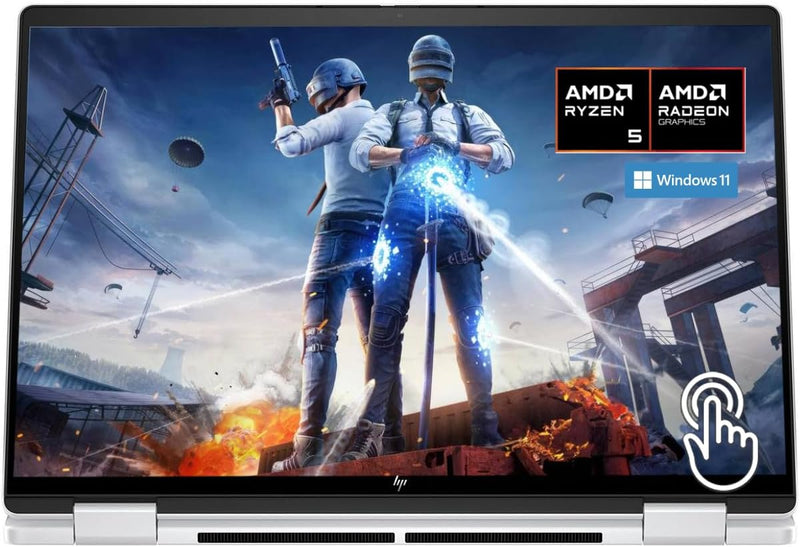
HP Envy 2-in-1 Laptop Ryzen 5 16GB 512GB Touchscreen
1920 x 1200Ryzen 5 8640HS512GB SSDUSB-C5MP
AMD Ryzen 5 power meets 360° flexibility — a 2-in-1 that doesn't force you to compromise between laptop and tablet performance.
View price on Amazon
Affiliate Disclosure: Studio Supplies may earn a commission from qualifying purchases made through links on this page, at no additional cost to you. This helps support our editorial team.
Notice a mistake? Let Us Know
Overview
Key Features
✔【Processor & Graphics】 AMD Ryzen 5 8640HS processor 6-core 3.5GHz up to 4.9GHz, AMD Radeon graphics
✔【Memory & Storage】 16GB LPDDR5 RAM, 512GB SSD storage
✔【Display】14-inch diagonal, WUXGA (1920 x 1200), multitouch-enabled, IPS, edge-to-edge glass, micro-edge, Corning Gorilla Glass NBT
✔【Ports】 1 x HDMI, 2 x USB-C 3.1, 2 x USB-A 3.1, Bluetooth, Wi-Fi, Headphone Jack, Microphone Input
✔【Camera】 Front Facing Camera 5 megapixels, Built-In Microphone, HP True Vision 5MP with camera shutter
✔【Operating System】 Windows 11
Specifications
Processor
AMD Ryzen 5 8640HS, 6-core, 3.5GHz base / 4.9GHz boost
Memory
16GB LPDDR5
Storage
512GB SSD
Display
14" diagonal, WUXGA (1920 x 1200), IPS, multitouch, Corning Gorilla Glass NBT
Graphics
AMD Radeon integrated
Operating System
Windows 11
Camera
5MP front-facing with camera shutter, built-in microphone
Ports
1x HDMI, 2x USB-C 3.1, 2x USB-A 3.1, headphone jack, microphone input
Wireless
Wi-Fi, Bluetooth
Form Factor
2-in-1 convertible (360° hinge)
Pros & Cons
👍 Pros
- Ryzen 5 8640HS delivers strong multi-core performance and 4.9GHz boost headroom for a thin 2-in-1 chassis
- WUXGA 1920x1200 IPS display provides a taller 16:10 aspect ratio and Gorilla Glass NBT scratch resistance — a step above typical budget 2-in-1 displays
- Port selection is genuinely comprehensive: HDMI, two USB-C 3.1, two USB-A 3.1, and a headphone/microphone combo — minimal dongle dependency in daily use
- LPDDR5 memory benefits integrated graphics performance compared to LPDDR4x systems at similar price points
- 360° hinge enables full tablet, tent, and presentation modes without peripheral accessories
👎 Cons
- Integrated AMD Radeon graphics share system memory and cannot handle dedicated GPU workloads — not suited for 3D rendering or gaming beyond casual titles
- 512GB SSD storage is limiting for users storing large media libraries or running multiple development environments; serviceability for upgrades is typically restricted on this platform
- 16GB RAM is soldered in HP Envy configurations — no upgrade path without full board replacement
- Fanless or low-profile thermal design in thin 2-in-1 chassis means sustained Cinebench-class loads will throttle sooner than a full-thickness laptop with the same processor
- 5MP front camera is above average for the category but still falls short of external webcam quality for professional video conferencing
Frequently Asked Questions
What does the Ryzen 5 8640HS offer compared to older Ryzen 5 generations in this form factor?
The 8640HS is a 4nm-class processor with a base of 3.5GHz boosting to 4.9GHz across 6 cores. In practice, it handles multitasking, video conferencing, creative apps, and light content editing without the thermal throttling that plagued older thin-and-light Ryzen designs — a meaningful generational step for sustained workloads.
Is 16GB LPDDR5 sufficient for running modern productivity and creative applications simultaneously?
For the intended use profile — office productivity, light creative work, web research, and media consumption — 16GB LPDDR5 is adequate headroom. LPDDR5's higher bandwidth compared to LPDDR4x benefits the integrated Radeon graphics, which share system memory. Heavy video editing or virtualization will saturate it.
Can the 512GB SSD be upgraded after purchase?
HP's Envy line has historically offered limited user-serviceability. Assume the storage is soldered or difficult to access without voiding warranty — plan your storage needs before purchasing, and use external drives or cloud storage for overflow.
Does the 14" WUXGA (1920x1200) display offer meaningful advantages over a standard 1080p panel?
Yes — the 1920x1200 resolution delivers a taller 16:10 aspect ratio compared to standard 16:9 1080p, which adds approximately 11% more vertical screen real estate. For document editing, spreadsheets, and web browsing, the extra height reduces scrolling noticeably. The IPS panel with Corning Gorilla Glass NBT handles multitouch reliably and resists everyday surface scratching.
What are the practical limitations of the AMD Radeon integrated graphics?
The integrated Radeon handles 4K video playback, casual photo editing, and light 3D tasks competently. It is not suited for dedicated gaming at high settings or GPU-accelerated 3D rendering workflows. For those use cases, a discrete GPU is required.
Related Products


