

HP
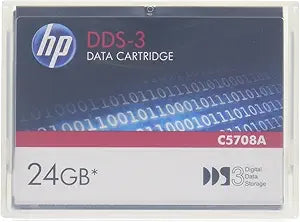
HP FBA_C5708A DDS3 12GB/24GB Tape Cartridge
DDS3 tape delivers 12GB native / 24GB compressed capacity for legacy DAT backup workflows that demand long-term media reliability.
$10.99*
Check availability
*Price sourced from Amazon.com. Last updated:Oct 23, 2026.Price and availability are subject to change — details.
Affiliate Disclosure: As an Amazon Associate, Studio Supplies earns from qualifying purchases made through links on this page, at no additional cost to you. This helps support our editorial team.
Notice a mistake? Let Us Know
Overview
Specifications
Brand
HP
Model
C5708A
Format
DDS3 (DAT 24)
Native Capacity
12GB
Compressed Capacity
24GB (at 2:1 compression)
Transfer Rate
125M (approximately 2MB/s native)
Cartridge Type
Data Tape (blank)
Frequently Asked Questions
What drives are compatible with this DDS3 cartridge?
DDS3 cartridges are designed for DDS3 (DAT 24) tape drives. DDS4 drives can typically read and write DDS3 media under backward compatibility. DAT 72 and later generation drives generally do not support DDS3 media — verify your specific drive model's compatibility matrix before purchasing.
What does 12GB native vs. 24GB compressed mean for a real backup job?
12GB is the guaranteed native capacity — what you get writing uncompressed or already-compressed data. The 24GB figure requires a 2:1 hardware compression ratio, achievable only with highly compressible data types like plain text and uncompressed databases. Encrypted backups and multimedia files will land near the 12GB native figure.
What is the transfer speed of this cartridge?
HP specifies 125M — interpreted as 125MB per minute (approximately 2.08MB/s) based on the DDS3 standard, which defines a native transfer rate of around 1–2MB/s sustained. This is significantly slower than LTO-format tapes and reflects the age of the DDS3 standard.
Is this cartridge appropriate for new backup infrastructure?
No. DDS3 is a legacy format dating to the late 1990s. It should only be purchased as media replenishment for existing DDS3 drive hardware. Any new tape infrastructure investment should be directed toward current LTO generations, which offer orders-of-magnitude improvements in capacity and throughput.
Can this cartridge be used for long-term cold archiving?
DDS/DAT-format tapes are generally rated for shorter archival windows than LTO media — typically 10–15 years under ideal conditions. For long-term regulatory archiving, LTO formats with their 30-year rated life are the more appropriate choice.
Related Products


