



HP
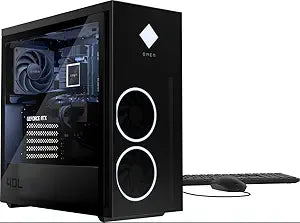
HP OMEN 40L GT21-0385xt RTX 3070 Gaming Desktop (Renewed)
★★★★★
UHDi7-12700K16 GB DDR4USB 2.0DisplayPort
The i7-12700K's 12-core architecture paired with RTX 3070 delivers 1440p gaming headroom that most mid-tower builds can't match at this price point.
View on Amazon for pricing
Affiliate Disclosure: Studio Supplies may earn a commission from qualifying purchases made through links on this page, at no additional cost to you. This helps support our editorial team.
Notice a mistake? Let Us Know
Overview
Key Features
Intel Core i7-12700K 3.6GHz (up to 5.0 GHz with Intel Turbo Boost Technology, 25 MB L3 cache, 12 cores, 20 threads)
Memory: HyperX 16 GB DDR4-3733 MHz RAM - Storage: 512GB PCIe NVMe M.2 SSD + 1TB 7200 rpm SATA HDD
Graphics: Integrated: Intel UHD Graphics 770; Discrete: NVIDIA GeForce RTX 3070 (8GB GDDR6 dedicated) with LHR
4 SuperSpeed USB Type-A; 4 USB 2.0 Type-A; 1 headphone/microphone combo; 1 microphone; 2 SuperSpeed USB Type-C; 1 audio-in; 1 audio-out; 1 microphone; 1 RJ-45; 1 HDMI; 3 DisplayPort; 1 PCIe x16; 1 PCIe x4; 3 M.2 (2 for SSD, 1 for WLAN)
Windows 11 Home
Specifications
Processor
Intel Core i7-12700K, 12-core/20-thread, 3.6 GHz base / 5.0 GHz boost, 25MB L3 cache
Memory
16GB HyperX DDR4-3733 MHz
Primary Storage
512GB PCIe NVMe M.2 SSD
Secondary Storage
1TB 7200 RPM SATA HDD
Discrete Graphics
NVIDIA GeForce RTX 3070, 8GB GDDR6, LHR
Integrated Graphics
Intel UHD Graphics 770
Operating System
Windows 11 Home
Rear USB
4× SuperSpeed USB Type-A, 4× USB 2.0 Type-A, 2× SuperSpeed USB Type-C
Display Outputs
1× HDMI, 3× DisplayPort
Audio Ports
1× headphone/mic combo, 1× mic in, 1× audio in, 1× audio out
Networking
1× RJ-45
Expansion Slots
1× PCIe x16, 1× PCIe x4
M.2 Slots
3× M.2 (2 for SSD, 1 for WLAN)
Condition
Renewed (professionally inspected and tested)
Pros & Cons
👍 Pros
- i7-12700K's 12-core/20-thread configuration (up to 5.0 GHz boost) handles game streaming, background encoding, and multi-application workloads simultaneously without frame-rate degradation
- RTX 3070's 8GB GDDR6 at 256-bit bus width sustains high frame rates at 1440p in demanding titles — a practical step above 1080p-tier performance
- DDR4-3733 MHz RAM provides higher memory bandwidth than DDR4-3200, which benefits both CPU cache feeding and the integrated UHD 770's shared memory path
- 512GB PCIe NVMe SSD enables fast OS and game load times with the 1TB HDD providing supplementary mass storage in the same chassis
- Extensive I/O — 6 USB-A, 2 USB-C, 3 DisplayPort, 1 HDMI, and 3 M.2 slots — supports multi-monitor, peripheral-heavy gaming setups without a hub
👎 Cons
- Renewed status introduces uncertainty around thermal paste application quality and fan cleanliness — previous high-utilization history may mean the cooling system has accumulated wear
- 16GB DDR4 in a dual-channel configuration is the minimum comfortable baseline for 2026 gaming workloads; titles with aggressive memory allocation will benefit from an upgrade to 32GB
- RTX 3070 sits one full GPU generation behind current mainstream discrete offerings, meaning it will reach its performance ceiling in next-generation titles sooner than a current-generation card
- The 512GB NVMe SSD fills rapidly with modern game installs averaging 50–100GB each — the HDD serves overflow but with a significant load-time penalty
- HP's OMEN Control software and BIOS fan curve options are more limited than custom-built systems, constraining thermal tuning for users who push the i7-12700K under sustained load
Frequently Asked Questions
What does the LHR designation on the RTX 3070 mean for gaming performance?
LHR (Lite Hash Rate) limits Ethereum mining throughput by approximately 50% but has zero effect on gaming, rendering, or any DirectX/Vulkan workload. For gaming purposes, the LHR 3070 performs identically to a non-LHR card — all 5888 CUDA cores and 8GB GDDR6 are fully available.
Does the i7-12700K's 12-core configuration create a CPU bottleneck with the RTX 3070?
No. The 12700K (8 P-cores + 4 E-cores, 20 threads, up to 5.0 GHz boost) is generationally ahead of the RTX 3070's typical CPU requirements. At 1440p and above, the GPU is the limiting factor; the 12700K has ample headroom for any title the RTX 3070 can render.
The memory is DDR4-3733 MHz — is that running at rated XMP speed?
DDR4-3733 is an XMP profile speed. Whether it runs at that frequency out of the box depends on BIOS configuration. If system memory reports at 2133 or 2400 MHz in Windows, the XMP profile needs to be enabled in the OMEN BIOS.
What is the practical difference between the 512GB NVMe SSD and the 1TB HDD in daily use?
The NVMe SSD (PCIe 3.0 or 4.0, ~2,000–3,500 MB/s read) handles the OS and primary game installs with fast load times. The 1TB HDD (~100–150 MB/s) is best suited for archival storage, documents, and games you play infrequently where load time tolerance is higher.
As a renewed unit, what does the refurbishment process cover?
The listing states it has been professionally inspected and tested. Renewed products from reputable sellers are typically cleaned, verified for functional components, and may have cosmetic wear. Original accessories may not be included — verify with the seller what is in the box.
Related Products


