

HP
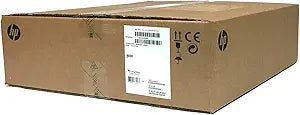
HP J9585A 3800-24G-2XG Managed Ethernet Switch
Reliable Gigabit Ethernet Switching SolutionThe HP J9585A 3800-24G-2XG Switch offers a fully managed Gigabit Ethernet solution for robust network performance. Designed for enterprise environments, this switch provides extensive features for efficient network management and scalability.Specificati...
View price on Amazon
Affiliate Disclosure: As an Amazon Associate, Studio Supplies earns from qualifying purchases made through links on this page, at no additional cost to you. This helps support our editorial team.
Notice a mistake? Let Us Know
Overview
Reliable Gigabit Ethernet Switching Solution
The HP J9585A 3800-24G-2XG Switch offers a fully managed Gigabit Ethernet solution for robust network performance. Designed for enterprise environments, this switch provides extensive features for efficient network management and scalability.
Specifications:
- Total Number of Network Ports: 26
- Number of Total Expansion Slots: 1
- Layer Supported: 3
Key Features
Total Number of Network Ports: 26
Number of Total Expansion Slots: 1
Layer Supported: 3
Specifications
Model
J9585A (3800-24G-2XG)
Device Type
Managed Ethernet Switch
Total Number of Network Ports
26
Number of Total Expansion Slots
1
Layer Supported
3
Frequently Asked Questions
How many network ports does the HP J9585A 3800-24G-2XG switch offer?
This managed Ethernet switch provides a total of 26 network ports, offering extensive connectivity for various devices within a network infrastructure.
What layer of network functionality does this HP switch support?
The HP J9585A 3800-24G-2XG switch supports Layer 3, enabling advanced routing protocols and enhanced network management capabilities.
Does the HP 3800-24G-2XG switch allow for future upgrades or module additions?
Yes, the switch includes one total expansion slot, providing an option for adding specialized modules to enhance its functionality as your network needs evolve.
Is this a simple plug-and-play network switch?
As a "Managed Ethernet Switch," the HP J9585A requires configuration and management for its advanced features, making it more suitable for users with networking knowledge than simple unmanaged switches.
What kind of environment is this HP 3800 series switch designed for?
The HP 3800-24G-2XG is an enterprise-grade managed switch, typically designed for robust performance, security, and scalability in business and data center environments.
Related Products


