

Intel
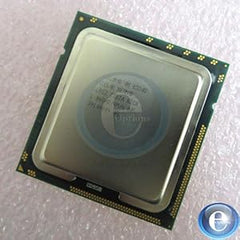
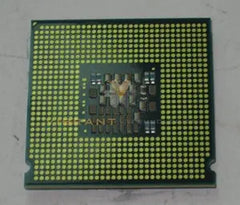
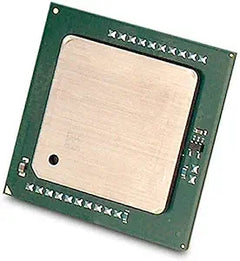
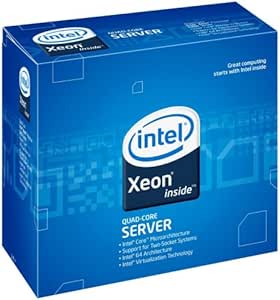
Intel BX80563L5320A Xeon L5320 1.86GHz 8MB Processor
Four Xeon cores at 1.86GHz with an 8MB shared cache deliver reliable, low-power throughput for dual-socket server builds where efficiency matters more than raw clock speed.
$30.00*
View on Amazon
✓ In Stock on Amazon.com
*Price sourced from Amazon.com. Last updated:Oct 23, 2026.Price and availability are subject to change — details.
Affiliate Disclosure: As an Amazon Associate, Studio Supplies earns from qualifying purchases made through links on this page, at no additional cost to you. This helps support our editorial team.
Notice a mistake? Let Us Know
Overview
Key Features
Intel Xeon DP Quad-core L5320 1.86GHz Processor - 1.86GHz
Specifications
Processor Model
Xeon L5320
Clock Speed
1.86GHz
Cores
Quad-core
Cache
8MB
Similar Products
Other products from the same family that visitors often consider:
Frequently Asked Questions
What socket does the Xeon L5320 use, and which server platforms is it compatible with?
The L5320 uses Socket LGA771. It is compatible with dual-socket server platforms built around Intel's 5000-series (Blackford) chipset, including many HP ProLiant DL360/DL380 G5 and Dell PowerEdge 1950/2950 systems. Verify your board's supported CPU list before purchasing.
What does the "L" prefix in L5320 mean, and how does it affect power consumption?
The "L" designates Intel's low-voltage Xeon DP line. The L5320 carries a 50W TDP — roughly half that of the standard E5320 running at the same clock — making it a meaningful choice in 1U/2U blade and rack environments where per-socket thermal headroom is limited.
The front side bus runs at 1066MHz. Is that a bottleneck for multi-threaded workloads?
At 1.86GHz core speed, the 1066MHz FSB is adequate for the workloads this CPU targets — file serving, light virtualization, and database reads. It will become a bottleneck under sustained memory-bandwidth-intensive tasks (e.g., in-memory analytics), where a higher-clocked Harpertown part with a faster FSB would be preferable.
How is the 8MB L2 cache organized across the four cores?
The L5320 is a dual-die package: two Woodcrest dual-core dies, each sharing a 4MB L2 cache between its two cores. This means cores 0/1 share one 4MB pool and cores 2/3 share the other. Workloads that keep threads within a die see lower latency than cross-die communication.
Can this processor be upgraded to a faster Xeon in the same platform?
Yes. LGA771 boards that support the 1066MHz FSB can also run the Xeon E5320 (1.86GHz, 80W) or step up to the Harpertown generation (E5400/L5400 series, 1333MHz FSB) if the motherboard firmware supports it. The L5320 is typically the ceiling for strictly low-power configurations.
Related Products


