

Intel
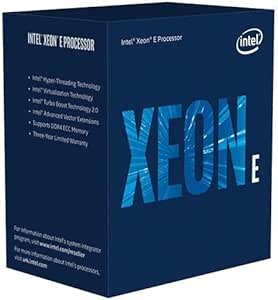
Intel Xeon E-2236 3.4 GHz Hexa-core Processor
Six cores at 3.4GHz base with a 4.8GHz boost ceiling makes the Xeon E-2236 the LGA-1151 workhorse for single-threaded ERP and database tasks that desktop CPUs can't sustain 24/7.
$435.00*
Check availability
*Price sourced from Amazon.com. Last updated:Oct 22, 2026.Price and availability are subject to change — details.
Affiliate Disclosure: As an Amazon Associate, Studio Supplies earns from qualifying purchases made through links on this page, at no additional cost to you. This helps support our editorial team.
Notice a mistake? Let Us Know
Overview
Key Features
Processor Manufacturer: Intel
Processor Core: Hexa-core (6 Core)
Clock Speed: 3.40 GHz
Overclocking Speed: 4.80 GHz
L3 Cache: 12 MB
Specifications
Processor Manufacturer
Intel
Processor Series
Xeon E-2236
Processor Core
Hexa-core (6 Core)
Base Clock Speed
3.40 GHz
Overclocking Speed
4.80 GHz
L3 Cache
12 MB
Frequently Asked Questions
What socket does the Xeon E-2236 use, and will it drop into a standard desktop motherboard?
The E-2236 uses the LGA-1151 socket, but it requires a server-class C242 or C246 chipset motherboard — it is not compatible with consumer Z370/Z390 boards even though the socket is physically identical. Verify chipset compatibility before purchasing.
What is the practical difference between the 3.4GHz base and 4.8GHz turbo frequency?
At 3.4GHz base, all six cores run continuously under sustained workloads — critical for 24/7 server operation. The 4.8GHz turbo applies to single or dual cores under burst loads, meaning lightly-threaded tasks like SQL queries or ERP lookups get a meaningful single-core speed boost.
Does the Xeon E-2236 support ECC memory?
Yes. ECC (Error-Correcting Code) memory support is a core feature of the Xeon E-series platform — this is one of the primary reasons to choose it over a comparable Core i7 for server and workstation builds where data integrity is non-negotiable.
What is the TDP and what does that mean for cooling requirements?
The E-2236 has an 80W TDP. It requires a server-class or high-end workstation cooler rated for LGA-1151 at 80W or above — standard Intel boxed coolers are insufficient, and the processor does not include a cooler in the box.
How does the 12MB L3 cache benefit server workloads?
12MB of L3 cache keeps frequently-accessed database indexes, application state, and working datasets close to the cores. For workloads with high cache hit rates — like OLTP databases or ERP systems — this reduces latency significantly compared to processors with smaller cache pools.
Related Products


