



Intel
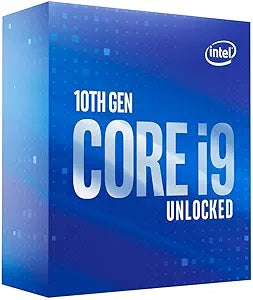
Intel BX8070110850K Core i9-10850K 3.6GHz Processor
i9-10850K125W
The Core i9-10850K delivers 10 cores, 20 threads, and a 5.2GHz Thermal Velocity Boost ceiling on LGA1200 — a factory-unlocked Comet Lake chip built for gaming and content creation at high clock speeds.
$382.59*
View on Amazon
✓ In Stock on Amazon.com
*Price sourced from Amazon.com. Last updated:Oct 21, 2026.Price and availability are subject to change — details.
Affiliate Disclosure: As an Amazon Associate, Studio Supplies earns from qualifying purchases made through links on this page, at no additional cost to you. This helps support our editorial team.
Notice a mistake? Let Us Know
Overview
Key Features
Number of cores:10
No. of Threads: 20
Processor-based frequency: 3.60 GHz
Turbo Max Frequency: 5.20 GHz - Intel Thermal Velocity Boost Frequency: 5.20 GHz
TDP: 125W
Specifications
Model
Intel Core i9-10850K
Cores / Threads
10 / 20
Base Frequency
3.60 GHz
Turbo Max / TVB Frequency
5.20 GHz
Cache
20MB
TDP
125W
Socket
LGA1200
Memory Support
DDR4, dual-channel, up to 2933MHz (official)
Integrated Graphics
None
Overclocking
Unlocked (K-series)
Similar Products
Other products from the same family that visitors often consider:
 ✓ Available
Intel BX8070110850K Core i9-10850K Unlocked Desktop Processor
$399.99
View on Amazon → ✓ Available
Intel BX80646I34350 Core i3-4350 3.6GHz Processor
$199.88
View on Amazon → ✓ Available
Intel SR3AY Xeon Gold 6142 2.6Ghz 16 Core Processor
$39.50
View on Amazon → ✓ Available
Intel BX80684I38100 Core i3-8100 Desktop Processor 3.6 GHz
$94.99
View on Amazon → ✓ Available
Intel BX80646I34340 Core i3-4340 3.6GHz Dual-Core Processor
$232.77
View on Amazon →Frequently Asked Questions
What socket and chipset does the i9-10850K require?
The i9-10850K uses Intel's LGA1200 socket and requires a 400-series chipset motherboard — Z490 is the recommended platform for overclocking given the unlocked multiplier. B460 and H470 boards will run the CPU but restrict manual frequency adjustment. It is not compatible with 300-series or 500-series boards without platform changes.
What is the difference between the Turbo Boost Max frequency and the Thermal Velocity Boost frequency at 5.2GHz?
Both are listed at 5.2GHz for this chip. Thermal Velocity Boost is Intel's opportunistic frequency algorithm that boosts individual cores above the standard Turbo Boost frequency when the processor temperature is below 70°C and power headroom permits. In practice, hitting and sustaining 5.2GHz requires a capable cooler keeping temperatures in that sub-70°C range under load — a 280mm AIO or high-end air cooler is recommended.
What cooler is needed for the i9-10850K's 125W TDP?
At 125W TDP base — and potentially higher under all-core Turbo Boost — the i9-10850K requires a substantial cooler. Minimum practical recommendation is a 240mm AIO liquid cooler or a high-performance air cooler rated above 150W. Bundled Intel stock coolers are not included with the K-series and would be inadequate regardless. Verify LGA1200 mounting compatibility on your chosen cooler.
How does the i9-10850K compare to the i9-10900K it sits below?
The i9-10850K is a binned step-down from the i9-10900K — both are 10-core/20-thread Comet Lake chips, but the 10850K carries a slightly lower base clock (3.6GHz vs 3.7GHz) and a reduced Turbo Max ceiling in some configurations. Real-world performance delta between the two is narrow — typically within 2–5% in benchmarks — making the 10850K the better value proposition when priced below the 10900K.
Does the i9-10850K support ECC memory?
No. The i9-10850K is a consumer desktop processor and does not support ECC (error-correcting code) memory. DDR4 non-ECC memory up to 2933MHz is supported officially, with XMP profiles on compatible Z490 boards allowing higher frequencies. For ECC memory support, Xeon W-series or AMD EPYC/Threadripper Pro platforms are the appropriate choice.
Related Products


