



Intel
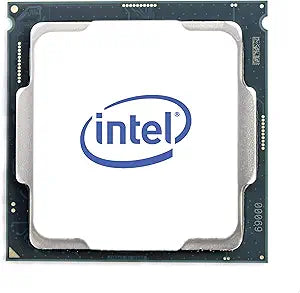
Intel CD8069504194501 Xeon Gold 6254 18-Core CPU
Eighteen Cascade Lake cores at 3.1GHz base and 200W TDP — the Xeon Gold 6254 is engineered for sustained multi-threaded server workloads where per-core frequency and memory bandwidth matter.
$898.95*$2,498.95Save 64%
View on Amazon
✓ In Stock on Amazon.com
*Price sourced from Amazon.com. Last updated:Oct 22, 2026.Price and availability are subject to change — details.
Affiliate Disclosure: As an Amazon Associate, Studio Supplies earns from qualifying purchases made through links on this page, at no additional cost to you. This helps support our editorial team.
Notice a mistake? Let Us Know
Overview
Key Features
W126171647
Specifications
Processor
Intel Xeon Gold 6254
Cores
18
Base Frequency
3.10 GHz
Max Turbo Frequency
4.00 GHz
L3 Cache
24.75MB
TDP
200W
Socket
LGA 3647
Architecture
Cascade Lake
Model Number
CD8069504194501
Similar Products
Other products from the same family that visitors often consider:
 ✓ Available
Intel BX806955220 Xeon Gold 5220 18-Core CPU
$658.90
View on Amazon → ✓ Available
Intel SR3AX Xeon Gold 6140 18-Core Server CPU Renewed
$25.20
View on Amazon → ✓ Available
Intel SR1XD Xeon E5-2699V3 18-Core CPU Renewed
$44.99
View on Amazon → ✓ Available
Intel CM8064401739300 Xeon E5-2699 v3 18-Core CPU
$529.95
View on Amazon → ✓ Available
Intel Xeon Gold 6154 18-Core Server Processor
$389.95
View on Amazon →Frequently Asked Questions
What socket does the Xeon Gold 6254 use, and which server platforms support it?
The 6254 uses Intel Socket 3647 (LGA 3647), compatible with Intel Scalable Platform servers based on the Cascade Lake architecture — including dual-socket configurations. It is not compatible with consumer desktop motherboards.
What does the 200W TDP mean for server cooling requirements?
A 200W TDP requires active server-grade cooling — standard rack server heatsinks rated for high-TDP Xeon processors, or liquid cooling solutions in dense deployments. This is not a processor suited to passive or low-airflow chassis; thermal management directly impacts sustained turbo performance.
How many memory channels does the 6254 support, and what is the maximum memory capacity?
The Xeon Gold 6254 supports Intel's multi-channel DDR4 memory architecture on the Cascade Lake platform. Exact channel count and maximum memory capacity depend on the specific motherboard implementation, but the platform typically supports six memory channels per socket with substantial LRDIMM/RDIMM capacity.
Is the Xeon Gold 6254 suitable for virtualization workloads?
Yes — the 6254 supports Intel Virtualization Technology (VT-x and VT-d) and is well-suited to hypervisor environments running multiple concurrent VMs. Its 18 cores and 24.75MB L3 cache provide substantial compute resources for multi-tenant virtualization.
What is the difference between the 3.10GHz base frequency and the 4.00GHz max turbo frequency?
The 3.10GHz base is the guaranteed sustained clock speed across all 18 cores under full load within the 200W TDP envelope. The 4.00GHz turbo frequency is the single-core peak achievable when thermal and power headroom allow — typical in lightly threaded workloads or burst scenarios.
Related Products


