



Intel
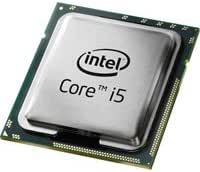
Intel CM80616003174AH Core i5 650 Processor: 3.2 GHz, LGA1156
Dual-core 3.2GHz horsepower with Hyper-Threading delivers quad-thread throughput from a two-core die, maximizing LGA1156 platform efficiency.
$108.70*
View on Amazon
✓ In Stock on Amazon.com
*Price sourced from Amazon.com. Last updated:Oct 21, 2026.Price and availability are subject to change — details.
Affiliate Disclosure: As an Amazon Associate, Studio Supplies earns from qualifying purchases made through links on this page, at no additional cost to you. This helps support our editorial team.
Notice a mistake? Let Us Know
Overview
Specifications
Processor Model
Core i5 650
Clock Speed
3.2 GHz
Socket Type
LGA1156
Manufacturer
Intel
Similar Products
Other products from the same family that visitors often consider:
 ✓ Available
Intel SLBTJ Core i5-650 3.2GHz LGA1156 Processor
$74.00
View on Amazon → ✓ Available
Intel BX80662I56402P Core i5 Processor (Skylake)
$118.66
View on Amazon → ✓ Available
Intel 14400F Core i5 Desktop Processor
$161.10
View on Amazon → ✓ Available
Intel Core I5 4440 Quad-Core CPU Processor
$118.02
View on Amazon → ✓ Available
Intel 14400 Core i5 Desktop Processor 4.7 GHz
$203.00
View on Amazon →Frequently Asked Questions
What socket does the Core i5-650 use, and is it still compatible with modern motherboards?
LGA1156 exclusively — this socket is not cross-compatible with LGA1155, LGA1150, or any subsequent Intel platform. If you're building around this CPU, you need a P55, H55, H57, or Q57 chipset board. LGA1156 is a legacy platform with no upgrade path beyond this socket generation.
Does the i5-650 support Hyper-Threading, and what does that mean for multitasking workloads?
Yes — the i5-650 is one of the few i5 SKUs to support Hyper-Threading, giving you 4 logical threads from 2 physical cores. In lightly-threaded workloads like web browsing, office apps, and older software, this translates to noticeably smoother multitasking compared to non-HT dual-core chips.
What is the TDP of the i5-650 and what cooler does it require?
The i5-650 carries a 73W TDP, which is within range of most 95W-rated socket-compatible coolers. Any LGA1156-mounting cooler with push-pin retention will work. The stock Intel cooler included with boxed versions is adequate for stock clocks in a well-ventilated case.
Does this processor include integrated graphics, and can it drive a display without a dedicated GPU?
Yes — the i5-650 integrates Intel HD Graphics (Ironlake, 733MHz), which supports basic display output when paired with a motherboard that exposes the IGP. Don't expect this IGP to handle anything beyond 1080p video playback and desktop use; it lacks hardware acceleration support for modern display APIs.
What is the maximum RAM this CPU's memory controller supports?
The i5-650's on-die memory controller supports up to 16GB of DDR3 in dual-channel configuration at speeds up to DDR3-1333 natively. Higher-speed kits will run at 1333MHz unless overclocked via XMP/BCLK adjustments on a compatible P55 board.
Related Products


