

Intel
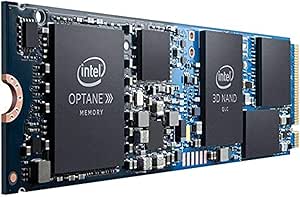
Intel HBRPEKNX0101A08 Optane H10 256GB M.2 SSD
★★★★★
Intel Optane H10 pairs 16GB of Optane memory with 256GB of QLC NAND on a single M.2 drive for snappier system responsiveness.
$194.00*
Check availability
*Price sourced from Amazon.com. Last updated:Jul 14, 2026.Price and availability are subject to change.
Affiliate Disclosure: Studio Supplies may earn a commission from qualifying purchases made through links on this page, at no additional cost to you. This helps support our editorial team.
Notice a mistake? Let Us Know
Overview
Key Features
W126171817
Specifications
Brand
Intel
Model
HBRPEKNX0101A08
Capacity
256GB
Interface
M.2 2280 PCIe 3.0
Memory Type
Intel Optane + QLC 3D NAND
Optane Buffer
16GB
Form Factor
M.2 2280
Pros & Cons
👍 Pros
- 16GB Optane cache intelligently accelerates frequently used files and applications for noticeably faster day-to-day responsiveness
- Single M.2 2280 form factor saves a slot compared to using separate Optane and NAND drives
- PCIe 3.0 interface provides solid bandwidth for typical productivity and multitasking workloads
- Transparent caching requires no manual file management once Intel RST is configured
👎 Cons
- 256GB total storage capacity is limited for users with large application libraries or media collections
- QLC NAND has lower sustained write performance compared to TLC-based SSDs, noticeable during large file transfers
- Optane caching features only work on compatible Intel platforms with RST support, restricting usability on AMD or older systems
- The drive is a previous-generation product, making long-term firmware and driver support uncertain
Frequently Asked Questions
How does the Intel Optane H10 differ from a standard NVMe SSD?
The H10 combines two storage technologies on one M.2 module: a 16GB Intel Optane memory cache and a 256GB QLC 3D NAND storage drive. The Optane portion acts as an intelligent cache, accelerating frequently accessed data and applications beyond what the QLC NAND alone could deliver.
Does the Optane caching work automatically, or does it require software setup?
The Optane caching functionality requires Intel RST (Rapid Storage Technology) drivers and a compatible Intel platform (typically 8th Gen or newer with specific chipsets). Once configured, the caching operates transparently without user intervention.
What systems are compatible with the Intel Optane H10?
The H10 requires a system with an M.2 2280 slot, PCIe 3.0 support, and a compatible Intel chipset that supports Optane memory. Not all motherboards qualify — Intel 300-series and newer chipsets with RST support are typically required for the caching feature to function.
Can the Optane H10 be used as a standard SSD without the caching feature enabled?
Yes. If installed in a non-compatible system or without RST drivers, the drive functions as a standard 256GB PCIe NVMe SSD, though you lose the Optane acceleration benefit.
Related Products


