

Intel
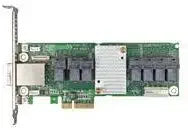
Intel RES3FV288 36-Port 12Gb/s SAS/SATA RAID Controller
Optimize Your Data Storage with the Intel RES3FV288 RAID Expander Card Enhance your storage infrastructure with the Intel RES3FV288, a 36-Port 12Gb/s SAS/SATA RAID Expander. This low-profile controller card is designed for maximum performance and scalability. Ideal for data centers and enterprise...
View price on Amazon
Affiliate Disclosure: As an Amazon Associate, Studio Supplies earns from qualifying purchases made through links on this page, at no additional cost to you. This helps support our editorial team.
Notice a mistake? Let Us Know
Overview
Optimize Your Data Storage with the Intel RES3FV288 RAID Expander Card
Enhance your storage infrastructure with the Intel RES3FV288, a 36-Port 12Gb/s SAS/SATA RAID Expander. This low-profile controller card is designed for maximum performance and scalability. Ideal for data centers and enterprise environments, the RES3FV288 ensures efficient data management and reliable storage connectivity.
Specifications:
- Ports: 36
- Interface: 12Gb/s SAS/SATA
- Form Factor: Low Profile
- Type: RAID Expander
Specifications
Product Type
RAID Controller
Ports
36-Port
Interface
SAS/SATA
Data Transfer Rate
12Gb/s
Brand
Intel
Model
RES3FV288
Frequently Asked Questions
How many ports does the Intel RES3FV288 RAID Controller have?
The Intel RES3FV288 RAID Controller is equipped with 36 ports, allowing for extensive drive connectivity.
What data transfer speeds does this RAID controller support?
This controller supports high-speed 12Gb/s SAS/SATA data transfer rates for efficient data management.
What types of drives are compatible with the RES3FV288 controller?
The Intel RES3FV288 controller is compatible with both SAS and SATA interface drives.
Is this Intel controller designed for specific RAID configurations?
As a RAID Controller, it is designed to manage various RAID configurations, though the specific supported RAID levels are not detailed in the provided information.
What is the primary function of the Intel RES3FV288?
Its primary function is to manage and protect data across multiple storage drives, enhancing both performance and reliability in server environments.
Related Products


