



Intel
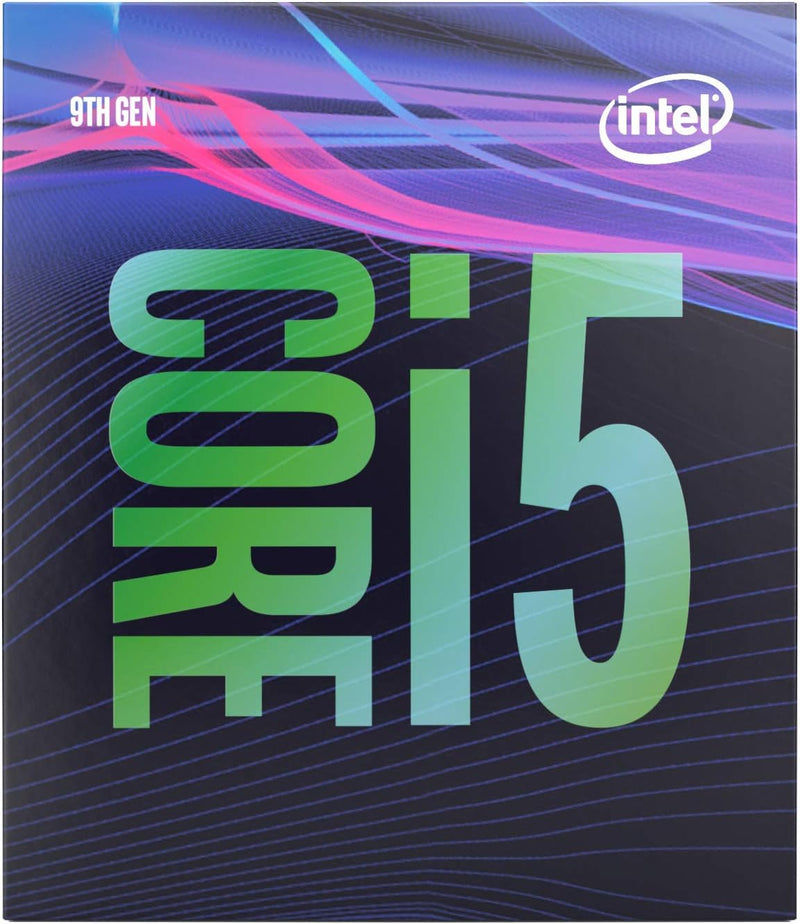
Intel SRF4B Core i5-9500 3GHz Processor Renewed
Six coffee-lake cores at 3GHz give budget builders a proven upgrade path without paying premium-tier prices.
$60.99*$129.57Save 52%
View on Amazon
✓ In Stock on Amazon.com
*Price sourced from Amazon.com. Last updated:Oct 21, 2026.Price and availability are subject to change — details.
Affiliate Disclosure: As an Amazon Associate, Studio Supplies earns from qualifying purchases made through links on this page, at no additional cost to you. This helps support our editorial team.
Notice a mistake? Let Us Know
Overview
Specifications
Brand
Intel
Model
SRF4B Core i5-9500
Clock Speed
3GHz
Condition
Renewed
Similar Products
Other products from the same family that visitors often consider:
 ✓ Available
Intel Core i3-2350M 2.3GHz Mobile Processor
$149.95
View on Amazon → ✓ Available
Intel BX80684I59500 - Core i5-9500 Desktop Processor
$129.57
View on Amazon → ✓ Available
Intel BX80619I73960X Core i7-3960X 3.3 GHz Processor
$892.99
View on Amazon → ✓ Available
Intel BX80662I56600 Core i5-6600 3.3GHz Processor
$54.00
View on Amazon → ✓ Available
Intel ASC808378AIN02 Core i3-3220 3.3GHz Dual Core Processor
$124.00
View on Amazon →Frequently Asked Questions
What socket does the i5-9500 use, and which motherboards are compatible?
LGA 1151 (300-series). It requires a Z390, H370, B365, or H310 motherboard — not 100-series or 200-series boards, which use the same physical socket but lack chipset support for 9th-gen CPUs. Verify your BIOS is updated before dropping this in.
Does this chip have integrated graphics?
Yes. The i5-9500 includes Intel UHD Graphics 630, which handles display output and light desktop workloads. It will not run demanding 3D workloads at playable frame rates, but it eliminates the need for a discrete GPU in a basic office or media PC build.
What does "Renewed" mean for a CPU, and is it reliable?
Renewed means the unit has been inspected, tested, and certified to meet functional specifications by the seller. CPUs are among the most reliable renewed components — they have no moving parts, no degradable electrolytes, and failure rates from normal use are extremely low.
Will this bottleneck a mid-range GPU like an RX 6600 or RTX 3060?
At 1080p in CPU-bound titles, yes — six cores without Hyper-Threading will show some constraint versus newer 12-thread alternatives. At 1440p and above, GPU-bound workloads will dominate and the bottleneck is less pronounced. It's a workable pairing for a budget 1080p gaming rig.
Does the i5-9500 support XMP memory profiles?
Officially, Intel specifies DDR4-2666 support. XMP overclocking beyond that requires a Z390 motherboard. On H370 or B365 boards, memory is locked to Intel's rated speeds.
Related Products


