

Intel
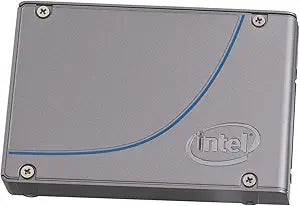
Intel SSDPE2ME400G401 DC P3600 400GB PCIe SSD
Experience Unmatched Data Center Performance The Intel SSD DC P3600 Series is a high-performance solid-state drive designed for data center applications. With its exceptional speed and reliability, this SSD delivers superior performance for demanding workloads. Ideal for cloud computing, virtuali...
Check availability
Affiliate Disclosure: Studio Supplies may earn a commission from qualifying purchases made through links on this page, at no additional cost to you. This helps support our editorial team.
Notice a mistake? Let Us Know
Overview
Experience Unmatched Data Center Performance
The Intel SSD DC P3600 Series is a high-performance solid-state drive designed for data center applications. With its exceptional speed and reliability, this SSD delivers superior performance for demanding workloads. Ideal for cloud computing, virtualization, and data-intensive applications.Specifications
- Brand: Intel
- Model: SSDPE2ME400G401
- Capacity: 400GB
- Form Factor: 2.5"
- Interface: PCIe 3.0
- NAND Flash Type: 20nm, MLC
- Series: DC P3600
Key Features
More for the money with this high quality Product
Offers premium quality at outstanding saving
Excellent product
100% satisfaction
Specifications
Brand
Intel
Model
SSDPE2ME400G401 DC P3600
Capacity
400GB
Interface
PCIe SSD
Frequently Asked Questions
What is the capacity of the Intel SSDPE2ME400G401 DC P3600 SSD?
This Intel DC P3600 SSD offers a storage capacity of 400GB.
What type of interface does this SSD use?
This SSD utilizes a PCIe interface, which typically provides faster data transfer speeds than traditional SATA connections.
Is this SSD designed for consumer or enterprise use?
The "DC" in DC P3600 indicates it is a Data Center product, meaning it's designed for enterprise and server environments.
What are the main benefits of a PCIe SSD over a SATA SSD?
PCIe SSDs generally offer significantly higher read and write speeds compared to SATA SSDs, leading to faster application loading and data processing.
Are there any specific performance metrics available for this SSD?
The provided features describe it as a high-quality product offering premium quality, but specific performance metrics like sequential read/write speeds are not detailed.
What does "100% satisfaction" refer to for this product?
The "100% satisfaction" statement is a general expression of confidence in the product's quality and customer experience.
Is this SSD compatible with all computer systems?
While it uses a standard PCIe interface, compatibility with specific motherboards or systems should always be verified, especially for older or non-standard configurations.
Related Products


