

Intel
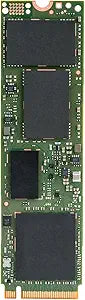
Intel SSDPEKKW512G7X1 512GB M.2 NVMe SSD
★★★★★
Accelerate Your System with Fast M.2 Storage The Intel 512GB M.2 80mm SSD delivers high-speed storage in a compact form factor. With NVMe PCIe Gen3 x4 interface, this SSD offers quick boot times, rapid application launches, and smooth multitasking, enhancing your overall computing experience. ...
$99.00*
Check availability
*Price sourced from Amazon.com. Last updated:Jun 04, 2026.Price and availability are subject to change.
Affiliate Disclosure: Studio Supplies may earn a commission from qualifying purchases made through links on this page, at no additional cost to you. This helps support our editorial team.
Notice a mistake? Let Us Know
Overview
Accelerate Your System with Fast M.2 Storage
The Intel 512GB M.2 80mm SSD delivers high-speed storage in a compact form factor. With NVMe PCIe Gen3 x4 interface, this SSD offers quick boot times, rapid application launches, and smooth multitasking, enhancing your overall computing experience.
- Capacity: 512GB
- Interface: PCI-Express NVMe 3.0 x4
- NAND Flash: TLC
- Form Factor: M.2 22 x 80 mm
Key Features
Interface: PCI-Express NVMe 3.0 x4
Capacity: 512GB
NAND Flash: TLC
Form Factor: M.2 22 x 80 mm
Specifications
Interface
PCI-Express NVMe 3.0 x4
Capacity
512GB
NAND Flash Type
TLC
Form Factor
M.2 22 x 80 mm
Pros & Cons
👍 Pros
- Offers a 512GB capacity, providing substantial space for operating systems, applications, and files.
- Utilizes the high-speed PCI-Express NVMe 3.0 x4 interface for rapid data transfer and reduced loading times.
- The M.2 22 x 80 mm form factor is compact and ideal for thin laptops and small form factor desktops.
- Features TLC NAND Flash, which often strikes a good balance between performance and cost efficiency.
- Delivers a significant performance upgrade over traditional SATA SSDs, enhancing overall system responsiveness.
👎 Cons
- Requires a compatible M.2 slot with NVMe support, meaning it may not be suitable for older motherboards or systems.
- The M.2 22x80mm form factor may necessitate careful handling during installation to prevent damage.
- While TLC NAND offers a good balance, some advanced users might prefer MLC or QLC for specific endurance or cost profiles.
- Installation may require opening your computer case, which some users might find challenging.
- Potential for thermal throttling in systems with inadequate cooling, as NVMe drives can generate heat under heavy loads.
Frequently Asked Questions
What is the capacity of this Intel SSD?
This Intel SSDPEKKW512G7X1 offers a storage capacity of 512GB.
What type of interface does this SSD use?
This Intel SSD utilizes a PCI-Express NVMe 3.0 x4 interface for high-speed data transfer.
What is the form factor of this Intel SSD?
The form factor of this SSD is M.2 22 x 80 mm, which is compact and suitable for various modern devices.
What kind of NAND Flash technology is used in this SSD?
This Intel SSD incorporates TLC (Triple-Level Cell) NAND Flash technology.
Is this SSD compatible with older SATA-only M.2 slots?
No, this SSD uses an NVMe interface and requires an M.2 slot that supports NVMe; it is not compatible with SATA-only M.2 slots.
Related Products


