

Intel
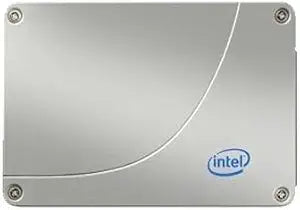
Intel SSDSC2CW240A310 520 Series 240GB 6Gb/s SSD
Intel's 520 Series delivers 6Gb/s SATA III saturation and hardware AES-128 encryption in a drop-in 2.5" upgrade that eliminates HDD bottlenecks for good.
Check availability
Affiliate Disclosure: As an Amazon Associate, Studio Supplies earns from qualifying purchases made through links on this page, at no additional cost to you. This helps support our editorial team.
Notice a mistake? Let Us Know
Overview
Specifications
Model
520 Series
Capacity
240GB
Interface
6Gb/s
Frequently Asked Questions
Does this SSD max out a SATA III interface?
Yes. The 520 Series is rated for SATA/600 (6Gb/s), which is the full bandwidth ceiling of SATA III. The interface tops out at roughly 550MB/s sequential read in real-world conditions, and the 520 Series is designed to approach that ceiling — making it effectively interface-limited rather than drive-limited.
Is this compatible with SATA II systems?
Yes, with a performance caveat. SATA III drives are backward compatible with SATA II (3Gb/s) ports. The drive will function normally but will be capped at approximately 275MB/s — roughly half its rated throughput. Still faster than any spinning disk.
What does the 128-bit AES hardware encryption mean for everyday use?
The 520 Series uses AES-128 encryption at the hardware level, meaning the drive's controller handles encryption and decryption with zero CPU overhead. If you enable a drive password in your BIOS, all data on the drive is encrypted transparently. Without a password set, encryption is always active but there's no access protection — it's an SED (self-encrypting drive).
What is the endurance rating for sustained write workloads?
Intel rated the 520 Series at up to 70GB of writes per day over a 5-year period for the 240GB model. That's sufficient for typical desktop and workstation use but is not rated for write-intensive server or logging workloads.
Does this drive require any special drivers or firmware?
No special drivers are needed — it appears as a standard SATA block device to any modern OS. Intel's SSD Toolbox (Windows) can be used for firmware updates and health monitoring, but is not required for operation.
Related Products


