



Lenovo
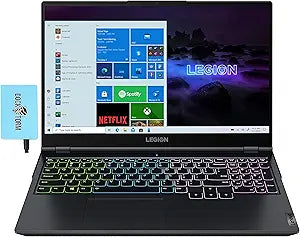
Lenovo 82JW00BFUS-2820-8028 Legion 5 Gaming Laptop, Ryzen 7, RTX 3050 Ti, 16GB RAM, 512GB SSD
★★★★★
1920x1080Ryzen 7 5800H16GB RAM16GB DDR4512GB SSD
Ryzen 7 5800H and RTX 3050 Ti deliver genuine 1080p gaming performance in a 165Hz chassis built for sustained load.
View price on Amazon
Affiliate Disclosure: Studio Supplies may earn a commission from qualifying purchases made through links on this page, at no additional cost to you. This helps support our editorial team.
Notice a mistake? Let Us Know
Overview
Key Features
15.6" Full HD (1920x1080) 165Hz IPS Display; 802.11ax Wifi, Bluetooth 5.1, Ethernet LAN (RJ-45), 720p HD Webcam, RGB Backlit, .
AMD Ryzen 7 5800H Octa Core AMD Ryzen 7 5800H 3.20GHz Processor (upto 4.4 GHz, 16MB Cache, 8-Core , ) ; RTX 3050 Ti 4GB GDDR6 Dedicated Graphics, .
16GB DDR4 SODIMM; 230W Power Supply, 4-Cell 60 WHr Battery; Phantom Blue Color, .
512GB PCIe NVMe SSD; 4 USB 3.2 Gen1, 1 HDMI, 2 USB 3.2 Type-C Gen2, No Optical Drive, Headphone/Microphone Combo Jack., Windows 11 Home-64.,
Includes Dockztorm USB Hub
Specifications
Processor
AMD Ryzen 7 5800H, 8-Core, up to 4.4GHz, 16MB Cache
Graphics
NVIDIA RTX 3050 Ti, 4GB GDDR6
Memory
16GB DDR4 SO-DIMM
Storage
512GB PCIe NVMe SSD
Display
15.6" Full HD (1920x1080) IPS, 165Hz
Operating System
Windows 11 Home 64-bit
Wireless
802.11ax (Wi-Fi 6), Bluetooth 5.1
Wired Network
Ethernet LAN (RJ-45)
Webcam
720p HD
Ports
4x USB 3.2 Gen1, 2x USB 3.2 Type-C Gen2, 1x HDMI
Battery
4-Cell, 60WHr
Power Supply
230W
Dimensions
14.12" x 10.12" x 1.0"
Weight
5.06 lb
Color
Phantom Blue
Included Accessory
Dockztorm USB Hub (up to 5Gbps)
Pros & Cons
👍 Pros
- Ryzen 7 5800H octa-core at up to 4.4GHz handles CPU-heavy workloads — streaming, compiling, and multi-tab productivity — without throttling under the RTX 3050 Ti's load
- 165Hz IPS panel delivers visibly smoother motion in competitive titles compared to standard 60Hz or 144Hz displays at this price tier
- PCIe NVMe SSD provides fast boot and game load times versus SATA-based alternatives in this class
- 802.11ax (Wi-Fi 6) ensures the wireless connection is not a bottleneck in high-bandwidth environments
- Dual USB 3.2 Gen2 Type-C ports offer forward-compatible high-speed peripheral and display connectivity
👎 Cons
- RTX 3050 Ti 4GB VRAM becomes a limiting factor in newer titles at higher texture settings — VRAM ceiling is reached before GPU compute is exhausted
- 60WHr battery is modest for the 230W power supply demands — under gaming load, runtime is short; this machine is primarily tethered
- 720p webcam is below current standard for video calls and streaming — an external camera is a practical necessity for professional use
- The 4-cell 60WHr battery combined with the high-wattage GPU means real-world gaming battery life typically falls under 2 hours at load
- No optical drive, as expected, but no SD card reader either — content creators will rely on the USB hub for media transfers
Frequently Asked Questions
What gaming performance can I realistically expect from the RTX 3050 Ti at 1080p?
The RTX 3050 Ti 4GB GDDR6 handles most current titles at 1080p medium-to-high settings with frame rates that stay competitive on the 165Hz panel. Demanding titles like Cyberpunk 2077 at ultra settings will push it, but e-sports titles, RPGs, and mid-range AAA games play well. The 165Hz display has more headroom than this GPU can consistently fill in heavy titles.
Does the 165Hz display make a practical difference with the RTX 3050 Ti?
In lighter, competitive titles — CS2, Valorant, Rocket League — yes, absolutely. Those games push well above 100fps at 1080p on this GPU. In heavier AAA titles you'll typically land in the 60–90fps range, where a 144Hz or 165Hz panel still reduces motion blur compared to 60Hz, but the full refresh rate won't be utilized.
How expandable is the RAM in this configuration?
The 16GB DDR4 SO-DIMM configuration uses the standard laptop SO-DIMM form factor. The Legion 5 platform typically has two SO-DIMM slots, so upgrading to 32GB is a straightforward swap. Running in dual-channel (two matched sticks) also measurably improves integrated Vega iGPU tasks and slightly benefits the dGPU in CPU-bound scenarios.
Is 512GB NVMe sufficient, and can it be upgraded?
512GB PCIe NVMe is workable but tight if you install multiple large game titles. The Legion 5 platform includes an M.2 slot, making an SSD upgrade straightforward. This is one of the first upgrades most users make.
What does the included Dockztorm USB Hub add?
It expands connectivity with additional USB-A ports at up to 5Gbps data transfer, useful for adding peripherals at a desk. It is not a full Thunderbolt dock and does not support video output passthrough.
Related Products


