

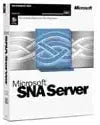
Microsoft
Microsoft Lic 5 CAL SNA Server 3.0 License
Five-pack Client Access License for Microsoft SNA Server 3.0 to connect client devices to mainframe environments.
Check availability
Affiliate Disclosure: As an Amazon Associate, Studio Supplies earns from qualifying purchases made through links on this page, at no additional cost to you. This helps support our editorial team.
Notice a mistake? Let Us Know
Overview
Specifications
Product
Client Access License (CAL)
Software
Microsoft SNA Server 3.0
License Count
5 Client Access Licenses
License Type
Client Access License
Frequently Asked Questions
What does this Microsoft 5 CAL license actually provide?
It provides five Client Access Licenses for Microsoft SNA Server 3.0, authorizing five client devices or users to connect to the SNA Server for mainframe and midrange system communication.
Is SNA Server 3.0 still supported by Microsoft?
Microsoft SNA Server 3.0 is a legacy product that has been superseded by Microsoft Host Integration Server. It is no longer under active support or receiving updates from Microsoft.
Do these CALs include the SNA Server software itself?
No, this is a license-only package. It provides five additional Client Access Licenses for an existing SNA Server 3.0 installation — the server software must be purchased separately.
What is SNA Server used for?
Microsoft SNA Server 3.0 acts as a gateway that enables Windows-based client devices to communicate with IBM mainframe and midrange systems using SNA (Systems Network Architecture) protocols.
Related Products


