

Microsoft
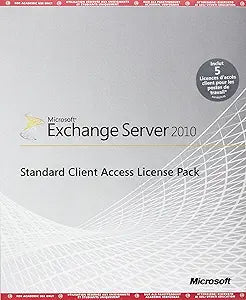
Microsoft 381-04116 Exchange Standard CAL 2010 Device
Enhance Your Messaging Infrastructure with Client Access LicensesThe Microsoft Exchange Standard CAL 2010 provides essential client access licenses for organizations using Microsoft Exchange 2010. These device CALs enable client access for multiple users, enhance mobility, and safeguard sensitive...
Check availability
Affiliate Disclosure: As an Amazon Associate, Studio Supplies earns from qualifying purchases made through links on this page, at no additional cost to you. This helps support our editorial team.
Notice a mistake? Let Us Know
Overview
Enhance Your Messaging Infrastructure with Client Access Licenses
The Microsoft Exchange Standard CAL 2010 provides essential client access licenses for organizations using Microsoft Exchange 2010. These device CALs enable client access for multiple users, enhance mobility, and safeguard sensitive information.
- License Type: Device CAL
- Users: Up to five users
Key Features
Enables client access for up to five users
Deliver increased mobility and flexible access to users
Safeguard sensitive information and reduce the risk of malware and spam
Specifications
Brand
Microsoft
Product Name
Exchange Standard CAL 2010 Device
Model Number
381-04116
License Type
Device Client Access License (CAL)
User/Device Count
Up to Five Devices
Purpose
Enables Client Access
Features
Increased Mobility, Flexible Access, Safeguards Information, Reduces Malware/Spam
Frequently Asked Questions
What is a Microsoft Exchange Standard CAL 2010 Device and what does it do?
A Microsoft Exchange Standard CAL 2010 Device is a Client Access License that grants up to five devices the legal right to access a Microsoft Exchange Server 2010 Standard edition. It is essential for device connectivity to the Exchange server.
Is this product a full version of Microsoft Exchange Server 2010, or is it an add-on?
This product is an add-on; it is a Client Access License (CAL) and not the full Microsoft Exchange Server 2010 software itself. The server software must be purchased and installed separately.
What are the benefits of using this Exchange Standard CAL 2010 Device license?
This license helps deliver increased mobility and flexible access for users, safeguards sensitive information, and works to reduce the risk of malware and spam within your Exchange environment.
How many devices can connect to the Exchange Server using this particular CAL?
This specific Exchange Standard CAL 2010 Device license enables client access for up to five devices, making it suitable for small office setups or specific departmental needs.
Will this 2010 CAL work with newer versions of Microsoft Exchange Server, such as Exchange 2016 or 2019?
Client Access Licenses are generally version-specific, meaning an Exchange 2010 CAL is typically designed to work only with Exchange Server 2010. Compatibility with newer versions is usually not supported.
Related Products


