

Monoprice
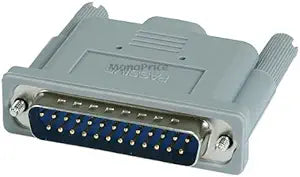
Monoprice 100813 DB25M SCSI Passive Terminator
Ensure Signal Integrity with Reliable SCSI TerminationThe Monoprice DB25M SCSI Terminator is designed to prevent signal reflections and reduce interference in SCSI systems. By matching impedance at the end of an open line, this passive terminator ensures reliable data transmission. Brand: M...
Check availability
Affiliate Disclosure: Studio Supplies may earn a commission from qualifying purchases made through links on this page, at no additional cost to you. This helps support our editorial team.
Notice a mistake? Let Us Know
Overview
Ensure Signal Integrity with Reliable SCSI Termination
The Monoprice DB25M SCSI Terminator is designed to prevent signal reflections and reduce interference in SCSI systems. By matching impedance at the end of an open line, this passive terminator ensures reliable data transmission.
- Brand: Monoprice
- Model: 100813
- Connector: DB25 Male
- Type: Passive SCSI Terminator
- Application: Single-sided termination
Key Features
Terminators reduce interference on a system by preventing RF signals at the end of an open line from being reflected back
They are placed at the end of a daisy chain line to match impedance and minimize reflection
This external terminator is single sided and features a DB 25 pin male connector
Specifications
Type
Passive Terminator
Connector Type
DB 25 pin male
Design
Single Sided
Pros & Cons
👍 Pros
- Effectively reduces interference on a system by preventing RF signals from reflecting back.
- Designed to be placed at the end of a daisy chain line, precisely matching impedance and minimizing reflection.
- Features a single-sided design, which can be simpler to manage in certain cabling setups.
- Equipped with a DB 25 pin male connector, ensuring specific compatibility with corresponding female ports.
- Functions as a passive terminator, typically meaning no external power is required for its operation.
👎 Cons
- The terminator is designed for DB 25 pin male connections, limiting its use to systems with this specific port type.
- It is a single-sided terminator, which may not be suitable for applications requiring double-sided termination.
- Its purpose is solely to reduce interference and prevent reflections, meaning it does not add any new functionality to a system.
- The product description does not specify compatibility with modern high-speed data transfer protocols, which may be a limitation.
- As a passive component, it relies on the system's inherent design for effective impedance matching, with no active signal conditioning.
Frequently Asked Questions
What is the primary function of the Monoprice DB25M SCSI Passive Terminator?
The primary function is to reduce interference on a system by preventing RF signals at the end of an open line from being reflected back.
Where should this terminator be placed in a system?
It should be placed at the end of a daisy chain line to match impedance and minimize signal reflection.
What type of connector does this terminator feature?
This external terminator features a DB 25 pin male connector.
Is this a single-sided or double-sided terminator?
This Monoprice terminator is single-sided, designed for specific termination requirements.
Does this terminator require external power?
No, as a passive terminator, it typically does not require external power for its operation.
Related Products


