



Monoprice
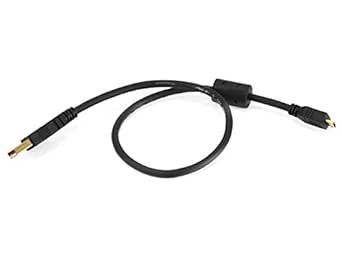
Monoprice 105456 1.5ft USB 2.0 A to Micro B Cable
★★★★★
USB 2.0
Gold-plated contacts and a ferrite core in an 18-inch USB 2.0 cable — Monoprice delivers signal-clean Micro-B connectivity at a length optimized for desk-adjacent devices.
$10.99*
Check availability
*Price sourced from Amazon.com. Last updated:Jul 14, 2026.Price and availability are subject to change.
Affiliate Disclosure: Studio Supplies may earn a commission from qualifying purchases made through links on this page, at no additional cost to you. This helps support our editorial team.
Notice a mistake? Let Us Know
Overview
Key Features
Great for system backups video editing or for creating a single large capacity drive from two separate hard drives
Convenient communication through Bluetooth / Wi-Fi for data transfer
100 Percent compliant with USB 20 specifications 28 AWG data conductors and 24 AWG power conductors
Gold plated connectors ensure a smooth, corrosion-free connection Molded connector heads with molded strain relief boots
Specifications
Length
1.5 Feet (18 inches)
Connector A
USB 2.0 Type-A Male
Connector B
Micro 5-pin Male (Micro-B)
Data Conductors
28 AWG
Power Conductors
24 AWG
Connector Plating
Gold-plated
EMI Filtering
Ferrite Core
Shielding
Full shielding
Strain Relief
Molded boots at both ends
USB Standard
USB 2.0 (480 Mbps max)
Pros & Cons
👍 Pros
- Gold-plated connector contacts resist oxidation over repeated use cycles, maintaining low-resistance electrical contact longer than standard tin connectors on cables used daily.
- The ferrite core filters high-frequency EMI on the cable itself, which reduces transmission errors in electrically noisy environments without requiring any user configuration.
- Full USB 2.0 spec compliance with 28 AWG data conductors and 24 AWG power conductors means the cable meets the standard for both adequate data throughput and sufficient current delivery for charging.
- The 1.5-foot length is purpose-optimized for adjacent-device connections — eliminating the cable clutter that longer cables create when you only need a short reach between a device and a port.
- Molded strain-relief boots at both connector ends protect the cable's most failure-prone points, where flex stress from daily plug/unplug cycles typically causes internal wire breaks first.
👎 Cons
- USB 2.0's 480 Mbps ceiling means this cable cannot benefit from USB 3.0's ~5 Gbps speeds even if your host and device support them — it is a hard protocol limitation baked into the cable's design.
- At 1.5 feet, the cable is too short for most desk configurations where the USB host port and device are not immediately adjacent — users who need more reach will find this length frustrating in practice.
- The rubber cable jacket, while functional, is stiffer than premium braided alternatives, which can cause the cable to hold a coiled shape rather than lying flat — a minor nuisance on a tidy desk.
- Micro-B is a legacy connector standard; as USB-C has become ubiquitous, purchasing Micro-B cables is an investment in backward compatibility rather than a forward-looking accessory.
- There is no cable length indicator or distinguishing visual marking on the cable itself — in a drawer with multiple Monoprice cables of different lengths, this one is indistinguishable at a glance.
Frequently Asked Questions
What is the maximum data transfer speed this cable supports?
This is a USB 2.0 cable, which has a theoretical maximum throughput of 480 Mbps. In practice, real-world transfer rates with compliant devices land in the 30-40 MB/s range, which is sufficient for charging, syncing smartphones, and transferring files from small devices but is a hard ceiling for large file transfers or external storage that supports USB 3.0 speeds.
What does the ferrite core on this cable actually do?
The ferrite bead (ferrite core) is a passive filter that suppresses high-frequency electromagnetic interference on the cable. In practical terms, it reduces signal noise that can cause data transmission errors or audible interference in nearby audio equipment. For basic charging and syncing, you may not notice a difference; for sensitive audio setups or environments with high RF noise, the ferrite core provides measurable noise rejection.
Are the gold-plated connectors on this cable a meaningful upgrade over standard tin-plated connectors?
Gold plating on USB connectors provides corrosion resistance, not improved conductivity. The meaningful benefit is longevity — gold-plated contacts maintain a cleaner electrical interface over hundreds of plug-unplug cycles compared to tin, which oxidizes over time and can increase contact resistance. For a cable used daily, this extends the reliable service life of the connector.
Is 1.5 feet long enough for typical desk use — connecting a phone to a laptop or a device to a wall charger?
At 1.5 feet, this cable is sized for tight, adjacent connections — phone to laptop port, device to desktop USB hub, or instrument to interface sitting side by side. It is too short for across-the-desk runs or charging from a floor outlet to a tabletop device. If your use case requires any distance between the host and device, a 3-foot or 6-foot cable is a better fit.
What devices use the Micro 5-pin (Micro-B) connector this cable terminates in?
Micro-B USB was the dominant smartphone and device charging standard before USB-C became prevalent. It remains in use on many external hard drives, older Android phones, Bluetooth accessories, e-readers, game controllers, and embedded electronics. If your target device predates widespread USB-C adoption or is a peripheral that never transitioned, Micro-B is likely what you need.
Related Products


