



Monoprice
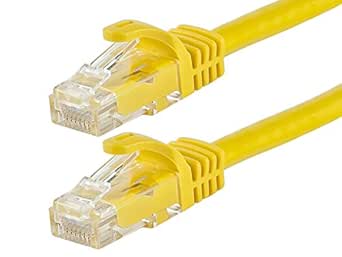
Monoprice 111244 Cat5e 10ft Ethernet Cable Yellow
★★★★★
24AWG pure bare copper Cat5e in a 10-foot snagless patch cable that locks in reliable gigabit performance across every port in your rack or desktop setup.
$15.08*
Check availability
*Price sourced from Amazon.com. Last updated:Jul 15, 2026.Price and availability are subject to change.
Affiliate Disclosure: Studio Supplies may earn a commission from qualifying purchases made through links on this page, at no additional cost to you. This helps support our editorial team.
Notice a mistake? Let Us Know
Overview
Key Features
Unshielded Twisted Pairs (UTP)
350MHz bandwidth
50m gold plated contacts
Color matched, snagless strain relief boots
Specifications
Cable Type
Cat5e Ethernet
Length
10ft
Color
Yellow
Connector Plating
50m gold plated
Bandwidth
350MHz
Wire Type
Unshielded Twisted Pairs (UTP)
Strain Relief
Color matched, snagless boots
Pros & Cons
👍 Pros
- Pure bare copper 24AWG conductors provide low-resistance signal path and oxidation resistance at crimp points — no CCA shortcuts
- 350MHz bandwidth rating supports 1000BASE-T Gigabit Ethernet with headroom well beyond the 100MHz minimum spec
- 50-micron gold-plated RJ45 contacts resist contact oxidation, maintaining stable link negotiation through repeated connection cycles
- Snagless boot protects the RJ45 locking tab from the most common physical failure mode in patch cable field use
- 10-foot length accommodates rack-to-switch hops, wall-plate-to-device runs, and desktop connections where 5-foot cables fall short
👎 Cons
- UTP (unshielded) construction provides no EMI rejection — in dense cable environments or near switching power supplies, interference can degrade signal quality at gigabit speeds
- 350MHz Cat5e is the minimum viable spec for 1Gbps; users requiring 10GBASE-T bandwidth need Cat6A (500MHz, shielded), which this cable does not provide
- Stranded construction is correct for patch use but unsuitable for permanent in-wall installation, limiting application flexibility
- Single fixed length — no adjustable slack; a 10-foot cable run in a shorter application creates cable management overhead
Frequently Asked Questions
Will this 10-foot Cat5e cable handle Gigabit Ethernet without signal degradation?
Yes. Cat5e is rated to 350MHz and certified for 1000BASE-T (Gigabit Ethernet) at runs up to 100 meters. At 10 feet, this cable operates at approximately 10% of its maximum distance specification — signal loss and crosstalk are negligible at this length, and the pure bare copper conductors ensure the lowest possible resistance per unit length compared to copper-clad aluminum alternatives.
Why does conductor material matter in a short patch cable like this?
At 10 feet, conductor resistance has minimal impact on signal level, but material quality affects long-term reliability and PoE performance. Pure bare copper (as specified here) resists oxidation at the conductor surface over time, maintaining stable contact resistance at the RJ45 crimp. Copper-clad aluminum corrodes faster at termination points and has 60% higher bulk resistance — relevant if the cable carries PoE or PoE+ current.
What does the 50-micron gold plating on the contacts do?
The 50µm gold plating on the RJ45 contacts inhibits oxidation at the mating surface, which is the most common source of intermittent connectivity in Ethernet connectors over time. Oxidized contacts increase resistance, which can cause link speed negotiation to drop from 1Gbps to 100Mbps without obvious physical failure. Gold plating at 50µm is a meaningful thickness for longevity in cycling applications.
Is this cable suitable for use with PoE switches and access points?
Yes. The 24AWG pure bare copper construction handles PoE (15.4W) and PoE+ (30W) current without the thermal concerns associated with CCA wire. At 10 feet, the voltage drop across the cable is minimal, well within the IEEE 802.3at budget for PoE+ devices.
Can I use this cable in an in-wall installation?
Not recommended. This is a stranded conductor cable, which provides flexibility for patch and desktop applications but lacks the physical stiffness needed for in-wall runs through conduit or staple-secured raceways. In-wall installations should use solid conductor Cat5e or Cat6, which also provides better noise immunity over longer structural runs.
Related Products


