

Monoprice
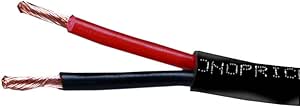
Monoprice 141381 CL2 12AWG Oxygen-Free Speaker Wire
99.95% oxygen-free copper in a CL2-rated jacket delivers clean signal and code-compliant in-wall runs up to 250 feet.
$174.82*$243.14Save 28%
View on Amazon
✓ In Stock on Amazon.com
*Price sourced from Amazon.com. Last updated:Oct 09, 2026.Price and availability are subject to change — details.
Affiliate Disclosure: As an Amazon Associate, Studio Supplies earns from qualifying purchases made through links on this page, at no additional cost to you. This helps support our editorial team.
Notice a mistake? Let Us Know
Overview
Key Features
Features two conductors made of high purity (greater than 99.95 percent pure), oxygen-free bare copper.
Each conductor is jacketed with color-coded PVC for easy polarity identification.
CL2 rating indicates that the cable complies with fire safety and insurance requirements, making it safe for use inside the walls of residential class buildings.
Using Pure Bare Copper speaker wire ensures that the total load put on the amplifier remains as close as possible to the impedance curve of your speakers.
12AWG.
Specifications
Brand
Monoprice
Model
141381
Gauge
12AWG
Conductors
2 (bipole)
Conductor Material
99.95% Oxygen-Free Pure Bare Copper
Jacket Material
Color-coded PVC
In-Wall Rating
CL2
Length
250 feet
Termination
Bare wire (unterminated)
Frequently Asked Questions
What does CL2 rating actually mean, and why does it matter for speaker wire?
CL2 is a UL-defined in-wall cable rating that certifies the jacket material meets fire resistance and smoke propagation standards required by the National Electrical Code for residential installation inside walls. If you're running speaker wire through walls or ceilings and intend to pass inspection, CL2 is the minimum rating you need. Non-rated wire fails code compliance even if it works electrically.
Why does oxygen-free copper matter for speaker wire versus standard copper?
Standard bare copper oxidizes over time, and copper oxide has higher resistance than pure copper, which gradually increases the total impedance seen by your amplifier. At 99.95% purity with oxygen removed, OFC wire resists oxidation far longer, keeping the conductor's resistance stable and maintaining the amplifier-to-speaker impedance relationship the system was designed around. At 12AWG, the resistance per foot is already low — OFC ensures it stays that way.
Is 12AWG overkill for most home audio runs, or is it the right choice?
12AWG is the right choice for runs over 50 feet or speakers with impedances at or below 4 ohms. At longer distances, thinner wire (16AWG or 18AWG) accumulates enough resistance to cause measurable power loss and damping factor degradation. For runs under 25 feet with 8-ohm speakers, 14AWG or 16AWG is technically sufficient — but 12AWG provides headroom for any length you're likely to encounter in a residential install.
How do I identify polarity with this cable?
Each conductor is jacketed in a different color-coded PVC. Match the consistently striped or marked conductor to the positive (+) terminals on both the amplifier and speaker throughout the run. Maintaining consistent polarity across all channels is critical — reversed polarity causes phase cancellation that significantly degrades soundstage and bass output.
Will 250 feet be enough for a typical surround sound installation?
For a typical 5.1 or 7.1 room installation, yes — 250 feet is usually sufficient to cover all speaker runs from a central receiver location, including rear surrounds in larger rooms. A 20x20 room with a centrally placed receiver typically uses 120–160 feet across five channels. Measure longest runs first and budget from there.
Related Products


