



MSI
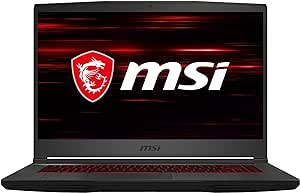
MSI GF65 THIN 9SD-008 Gaming Laptop GTX1660Ti
★★★★★
Fhdi5-9300h512GB NVMe
The GTX 1660 Ti at 120Hz in a sub-4.5lb chassis makes the GF65 Thin the pragmatic choice for portable 1080p gaming without the thermal bulk.
View price on Amazon
Affiliate Disclosure: Studio Supplies may earn a commission from qualifying purchases made through links on this page, at no additional cost to you. This helps support our editorial team.
Notice a mistake? Let Us Know
Overview
Key Features
15 6" Fhd (1920*1080) IPS-Level 120Hz thin Bezel
Processor Core i5-9300h 2 4 - 4 1GHz
Graphics NVIDIA GeForce GTX1660Ti 6G GDDR6
Memory 8GB (8G*1) DDR4 2666MHz 2 Sockets Max Memory 64GB
Storage 512GB NVMe SSD
Specifications
Display
15.6" FHD (1920*1080) IPS-Level 120Hz thin Bezel
Processor
Intel Core i5-9300h 2.4 - 4.1GHz
Graphics Card
NVIDIA GeForce GTX1660Ti 6G GDDR6
RAM
8GB (8G*1) DDR4 2666MHz
Max Memory Capacity
64GB
Memory Sockets
2
Storage
512GB NVMe SSD
Pros & Cons
👍 Pros
- GTX 1660 Ti 6GB GDDR6 delivers genuine 1080p high-refresh gaming performance — not a compromised mobile GPU cut-down — capable of sustaining 120Hz in competitive titles.
- The 120Hz IPS-Level panel makes the 120fps frame rate target actually visible and beneficial, a meaningful step over 60Hz gaming panels at this price tier.
- 512GB NVMe SSD provides fast game load times and OS responsiveness compared to SATA SSD alternatives common in this laptop category.
- The i5-9300H's 4.1GHz boost clock sustains high single-core performance for gaming workloads without the thermal overhead of higher-TDP mobile processors.
- Thin chassis design keeps the footprint compact and travel-practical for a 15.6" gaming laptop.
👎 Cons
- 8GB single-channel DDR4 at 2666MHz is a defined performance constraint — it halves available memory bandwidth versus dual-channel and creates a measurable GPU feed bottleneck in bandwidth-sensitive workloads.
- The i5-9300H's 4-core design is below the 6-core baseline that modern games and streaming workflows increasingly expect — CPU-bound scenarios will surface this ceiling.
- GTX 1660 Ti has no hardware ray tracing capability; DLSS is not supported on Turing's first-generation implementation at the level of RTX cards, limiting access to current-generation rendering features.
- The thin chassis requires active cooling management under sustained GPU load — fan noise at full gaming load is audible, and thermal throttling can occur in poorly ventilated environments.
- Windows 10 Home ships as the OS — Windows 10 Pro features (BitLocker, Remote Desktop host, Hyper-V) require a separate license upgrade.
Frequently Asked Questions
What gaming performance can I realistically expect from the GTX 1660 Ti at 1080p on this display?
The GTX 1660 Ti with 6GB GDDR6 is well-matched to 1080p gaming. Competitive titles (CS2, Valorant, Apex Legends) will sustain well above the 120Hz refresh rate of the panel at medium-to-high settings. More demanding titles (Cyberpunk 2077, Alan Wake 2) will require settings reductions to maintain smooth frame rates — plan for medium settings in AAA titles to leverage the 120Hz display consistently.
Does the 8GB single-channel DDR4 configuration limit gaming performance on this laptop?
Yes, measurably. The GF65 ships with 8GB in a single 8G stick, running single-channel DDR4 2666MHz. Adding a matched second 8GB DDR4 2666MHz SO-DIMM enables dual-channel operation, which can improve GPU-bound frame rates by 10–15% in memory-bandwidth-sensitive titles by reducing the CPU-to-GPU data throughput bottleneck.
Can the 512GB NVMe SSD be supplemented with additional storage?
The GF65 Thin 9SD includes a secondary M.2 slot and a 2.5" SATA bay depending on the specific SKU, allowing for storage expansion. Verify the specific internal layout of the 9SD-008 variant before purchasing an upgrade drive, as SKU configurations can vary.
What does the 120Hz IPS-Level panel add over a standard 60Hz display for gaming?
The 120Hz refresh rate halves the maximum frame time to 8.3ms, making fast-motion gaming — particularly in competitive first-person and action titles — visibly smoother than 60Hz. IPS-Level technology adds wider viewing angles and better color accuracy versus TN panels, which is relevant for content work alongside gaming.
How does the Core i5-9300H handle CPU-heavy games alongside the GTX 1660 Ti?
The i5-9300H is a 4-core/8-thread 9th-gen mobile CPU with a 4.1GHz boost clock. For most gaming workloads it is not the bottleneck — the GPU typically limits frame rates before the CPU does. In CPU-heavy simulation or strategy games with many game objects, the 4-core count will show limitations compared to 6-core mobile CPUs.
Related Products


