

MSI
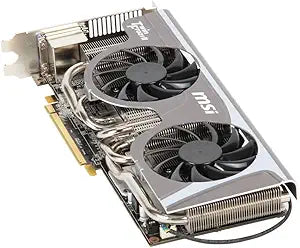
MSI R6950 TWIN FROZR II/OC ATI Radeon HD6950 2GB DDR5
2GB DDR5DisplayPort
Elevate Your Gaming Experience with High-Performance Graphics Introducing the MSI ATI Radeon HD6950, a powerhouse graphics card designed to deliver exceptional gaming performance and stunning visuals. With 2GB of GDDR5 memory and MSI's renowned Twin Frozr II cooling technology, experience smooth,...
Check availability
Affiliate Disclosure: As an Amazon Associate, Studio Supplies earns from qualifying purchases made through links on this page, at no additional cost to you. This helps support our editorial team.
Notice a mistake? Let Us Know
Overview
Elevate Your Gaming Experience with High-Performance Graphics
Introducing the MSI ATI Radeon HD6950, a powerhouse graphics card designed to deliver exceptional gaming performance and stunning visuals. With 2GB of GDDR5 memory and MSI's renowned Twin Frozr II cooling technology, experience smooth, lag-free gaming and immersive graphics like never before.
Specifications:
- Interface: PCI-Express 2.0
- GPU Clock: 810MHz
- Memory: 2048MB GDDR5
- Cooling: Twin Frozr II
- Video Outputs: 2x DVI, HDMI, 2x Mini DisplayPort
Key Features
R6950 TWIN FROZR II/OC
5000 MHz Memory and interface is 256-bit
Chipset: Radeon HD6950 Engine
Mini DisplayPort PCI-Express Video Card
Chipset: Radeon HD6950 Engine.
5000 MHz Memory and interface is 256-bit.
Specifications
Model
R6950 TWIN FROZR II/OC
Chipset
Radeon HD6950 Engine
Memory
2GB GDDR5
Memory Clock Speed
5000 MHz
Memory Interface
256-bit
Interface
PCI-Express
Display Outputs
Mini DisplayPort
Frequently Asked Questions
What chipset does the MSI R6950 TWIN FROZR II/OC graphics card use?
This graphics card is built around the Radeon HD6950 Engine chipset, offering performance from its generation.
How much video memory does this graphics card have?
It comes with 2GB of GDDR5 memory, which operates on a 256-bit interface for efficient data handling.
What is the memory clock speed of the MSI R6950?
The memory on this card runs at 5000 MHz, contributing to its overall graphics processing capabilities.
What type of display connections are available on this card?
The card features Mini DisplayPort outputs, allowing connection to compatible monitors or displays.
Is this graphics card suitable for current-generation gaming?
Given its Radeon HD6950 chipset and 2GB GDDR5 memory, this card is from an older generation and may struggle with the demands of current, graphically intensive games at higher settings.
Related Products


