



MSI
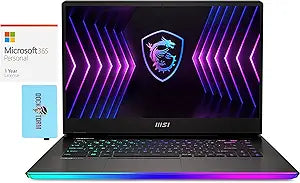
MSI RAIDERGE6712013-4489-285405 Raider GE67HX 15.6" QHD 240Hz Gaming Laptop
QHD1080p2560x1440i7-12800HX330W
A 240Hz OLED panel and RTX 3070 Ti combine in one chassis to eliminate both frame-rate and display bottlenecks from competitive gaming.
View price on Amazon
Affiliate Disclosure: Studio Supplies may earn a commission from qualifying purchases made through links on this page, at no additional cost to you. This helps support our editorial team.
Notice a mistake? Let Us Know
Overview
Key Features
12th Gen Intel Core i7-12800HX 2.00GHz Processor (upto 4.8 GHz, 25MB Cache, 16-Cores, 24-Threads, 8 Performance-cores) ; NVIDIA RTX 3070 Ti 8GB GDDR6 Dedicated Graphics, VR Ready .
Wi-Fi 6E AX1675, Bluetooth 5.2, Ethernet LAN (RJ-45), 1080p Full HD Webcam, RGB Backlit, .
15.6" 2K Quad HD (2560x1440) 240Hz Refresh Rate OLED Display; 330W Power Supply, 4-Cell 99 WHr Battery; Titanium Blue Color, .
2 USB 3.2 Gen1, 1 x HDMI 2.1, Thunderbolt 4 (Type-C), USB 3.2 Type-C Gen2, Micro SD Reader, No Optical Drive, Headphone/Microphone Combo Jack., .,
Includes Microsoft 365 Personal 1 Year Subscription for 1 User(Microsoft 365 Personal | 12-Month Subscription, 1 person | Premium Office apps | 1TB OneDrive cloud storage | PC/Mac;Annual Subscription;Works on Windows, macOS, iOS, and Android), Dockztorm USB Hub
Specifications
Processor
Intel Core i7-12800HX, 2.00GHz base / 4.8GHz boost, 16-core, 24-thread, 25MB cache
Graphics
NVIDIA GeForce RTX 3070 Ti 8GB GDDR6
Display
15.6" OLED, 2560x1440 (QHD), 240Hz refresh rate
RAM
32GB DDR5 SO-DIMM
Storage
1TB SATA SSD
Operating System
Windows 11 Pro 64-bit
Wireless
Wi-Fi 6E (AX1675), Bluetooth 5.2
Ports
2x USB 3.2 Gen1, 1x HDMI 2.1, 1x Thunderbolt 4 (USB-C), 1x USB 3.2 Gen2 Type-C, Micro SD reader, 3.5mm combo jack
Battery
4-cell, 99 WHr
Power Supply
330W AC adapter
Webcam
1080p Full HD
Color
Titanium Blue
Pros & Cons
👍 Pros
- RTX 3070 Ti 8GB GDDR6 delivers rasterized performance capable of 1440p high-settings in modern titles
- 2560x1440 OLED panel at 240Hz eliminates motion blur at a pixel density (188 PPI) that makes text and UI elements sharp
- 32GB DDR5 SO-DIMM ensures no RAM bottleneck for memory-hungry titles or simultaneous streaming workloads
- Thunderbolt 4 adds 40Gbps I/O versatility — useful for external NVMe enclosures and high-refresh external monitors
- 99 WHr battery is the maximum FAA carry-on limit, maximizing unplugged endurance for a performance-class laptop
👎 Cons
- 1TB SATA SSD delivers ~550MB/s sequential read — significantly slower than PCIe NVMe drives available at this tier; an upgrade slot should be verified before purchase
- 330W power brick is large and heavy, adding meaningful carry weight to a portable setup
- RTX 3070 Ti in a 15.6" chassis is thermally constrained; sustained GPU-intensive workloads will see clock speeds stabilize below peak boost
- No optical drive and Micro SD (rather than full SD) limits media workflow flexibility for photographers using standard SD cards
- HDMI 2.1 is a single port — multi-monitor setups require the Thunderbolt 4 or USB-C port, which may require adapters
Frequently Asked Questions
What does the 240Hz OLED panel actually deliver over a standard 60Hz IPS display?
At 240Hz you get a new frame rendered every 4.2ms versus 16.7ms — the OLED panel's near-zero response time means motion blur is eliminated rather than just reduced, which is a tangible advantage in fast-paced titles where enemy positions change frame-to-frame.
Does the i7-12800HX run hot enough to throttle under sustained gaming loads?
The 12800HX is a 55W base TDP chip in a 15.6" chassis, so thermal headroom is finite. Under sustained combined CPU+GPU load, expect the processor to maintain turbo for short bursts then settle to mid-boost frequencies. MSI's Cooler Boost thermal profiles help, but this chassis is not immune to thermal throttling during extended sessions.
Is the 1TB SATA SSD a bottleneck given the rest of the specs?
Yes, this is the weakest link. SATA SSD tops out around 550MB/s sequential read; a PCIe NVMe drive would deliver 3,500–7,000MB/s. Game load times and asset streaming will be noticeably slower than systems with NVMe storage at this price tier.
Will this support eGPUs via the Thunderbolt 4 port?
Thunderbolt 4 provides up to 40Gbps bandwidth, which is sufficient for an eGPU enclosure — though the RTX 3070 Ti onboard largely negates the use case. The TB4 port is more practically useful for high-speed external NVMe enclosures or 4K displays.
What does Wi-Fi 6E add over standard Wi-Fi 6?
Wi-Fi 6E (AX1675) adds the 6GHz band, which is uncongested in most environments and delivers lower latency in dense wireless environments. For online gaming this means more consistent ping, not higher throughput.
Related Products


