

NVIDIA
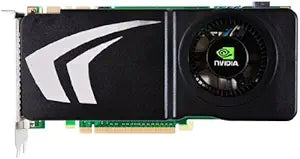
NVIDIA E-TNT2 32MB AGP Graphics Card D33075
A vintage NVIDIA 32MB AGP graphics card for retro gaming rigs and legacy system builds.
$38.00*
Check availability
*Price sourced from Amazon.com. Last updated:Sep 13, 2026.Price and availability are subject to change — details.
Affiliate Disclosure: As an Amazon Associate, Studio Supplies earns from qualifying purchases made through links on this page, at no additional cost to you. This helps support our editorial team.
Notice a mistake? Let Us Know
Overview
Specifications
Brand
NVIDIA
Model
D33075
Video Memory
32MB
Interface
AGP
Chipset
E-TNT2
Frequently Asked Questions
What type of slot does this graphics card require?
This card uses an AGP (Accelerated Graphics Port) interface, which is found on older motherboards from the late 1990s and early 2000s. It is not compatible with modern PCI Express slots.
What era of games and software is this card suitable for?
The NVIDIA E-TNT2 is appropriate for late-1990s to early-2000s titles and legacy software that ran on DirectX 6/7 and OpenGL 1.x hardware.
Does this card support modern operating systems?
Driver support is limited to older operating systems. Modern versions of Windows typically do not include drivers for the TNT2 chipset, so legacy OS installations like Windows 98, ME, 2000, or XP are recommended.
Is this card suitable for a retro PC build?
Yes, the TNT2 is a popular choice among retro computing enthusiasts building period-correct systems from the late 1990s.
Related Products


