

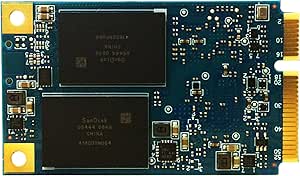
SanDisk
SanDisk SD7SF6S-128G-1122 X300 128GB SSD
★★★★★
1122 X300128GB SSD
Enhance Your Computing Experience with Speed and ReliabilityIntroducing the SanDisk X300 Solid State Drive. Experience improved performance and responsiveness with this internal SSD, designed for both corporate and consumer workloads.
Check availability
Affiliate Disclosure: Studio Supplies may earn a commission from qualifying purchases made through links on this page, at no additional cost to you. This helps support our editorial team.
Notice a mistake? Let Us Know
Overview
Enhance Your Computing Experience with Speed and Reliability
Introducing the SanDisk X300 Solid State Drive. Experience improved performance and responsiveness with this internal SSD, designed for both corporate and consumer workloads.
Key Features
Cache 2.0 - improves user responsiveness by supporting SLC cache and high productivity use cases
Data Guard Client - improves the reliability of the drive and incorporates a robust error handling mechanism that provides a last line of data protection
Vertically integrated validation: NAND to device - ensures the device meets specifications over customers' environments
Easy migration - leveraging the maturity and proven designs of predecessors
Low power with DEVSLP support and Instant Go compatibility
Specifications
Model
X300
Capacity
128GB
Technology
Cache 2.0 (SLC cache)
Data Protection
Data Guard Client
Power Features
Low power with DEVSLP support, Instant Go compatibility
Validation
Vertically integrated (NAND to device)
Pros & Cons
👍 Pros
- Incorporates Cache 2.0 technology to improve user responsiveness by supporting SLC cache
- Features Data Guard Client, enhancing drive reliability with robust error handling for data protection
- Benefits from vertically integrated validation from NAND to device, ensuring it meets specifications in various environments
- Offers easy migration, leveraging the maturity and proven designs of its predecessors for straightforward installation
- Designed for low power consumption with DEVSLP support and Instant Go compatibility, optimizing battery life for laptops
👎 Cons
- The 128GB capacity is relatively small for primary system drives in modern computing, limiting storage for applications and files
- Utilizes an older SATA interface, which provides slower maximum transfer speeds compared to NVMe SSDs
- Specific performance metrics like sequential read/write speeds or IOPS are not provided, making direct comparison difficult
- While reliable, the X300 series may not offer the peak performance of newer, higher-end SSD models
- The "easy migration" aspect might suggest it's primarily aimed at replacing older HDDs rather than serving as a bleeding-edge upgrade
Frequently Asked Questions
What is Cache 2.0 technology in the SanDisk X300 SSD?
Cache 2.0 improves user responsiveness by supporting SLC cache and high productivity use cases, optimizing the SSD's performance.
How does the Data Guard Client feature benefit this SSD?
Data Guard Client enhances the reliability of the drive and includes a robust error handling mechanism to provide an additional layer of data protection.
What is the storage capacity of the SanDisk X300 SSD?
The SanDisk X300 SSD offers a storage capacity of 128GB.
Does this SSD support low power states?
Yes, it supports low power with DEVSLP and is compatible with Instant Go, contributing to energy efficiency.
What does "vertically integrated validation" mean for this product?
Vertically integrated validation from NAND to device ensures that the SSD meets its specifications reliably across various customer environments.
Is it easy to upgrade to this SSD from an older drive?
Yes, the SanDisk X300 is designed for easy migration, leveraging mature and proven designs for a straightforward upgrade process.
Related Products


