

SanDisk
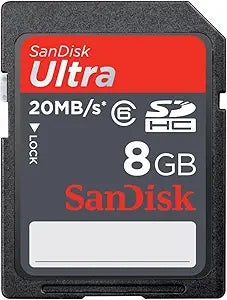
SanDisk SDSDRH-008G-A11 8GB ULTRA SDHC Flash Memory Card
★★★★★
15MB/s read and SanDisk's lifetime warranty deliver proven SDHC reliability for point-and-shoot cameras and SD-compatible legacy devices.
$34.99*
Check availability
*Price sourced from Amazon.com. Last updated:Jul 14, 2026.Price and availability are subject to change.
Affiliate Disclosure: Studio Supplies may earn a commission from qualifying purchases made through links on this page, at no additional cost to you. This helps support our editorial team.
Notice a mistake? Let Us Know
Overview
Key Features
Solid reliability backed by a lifetime limited warranty
Higher capacity card for capturing more photos and longer videos
High speed card up to 15mb/s for read/write performance
A high-quality card you can trust with your precious memories
High performance card for cutting out the wait when transferring data from camera to PC
A high-quality card you can trust with your precious memories
High speed card up to 15mb/s for read/write performance
High performance card for cutting out the wait when transferring data from camera to PC
Higher capacity card for capturing more photos and longer videos
Solid reliability backed by a lifetime limited warranty
Specifications
Capacity
8GB
Card Type
SDHC
Speed Class
Class 4
Read Transfer Speed
Up to 15MB/s
Compatibility
SDHC host devices
Warranty
Lifetime limited
Pros & Cons
👍 Pros
- SDHC format compatibility guarantees interoperability with the broad installed base of SD-compatible digital cameras, camcorders, GPS units, and consumer electronics
- 15MB/s read transfer speed enables faster image offload compared to Class 2/4 baseline speeds — measurably shorter transfer sessions for point-and-shoot JPEG libraries
- Lifetime limited warranty from SanDisk provides manufacturer-backed defect coverage that off-brand alternatives at this capacity tier do not offer
- 8GB capacity stores hundreds of JPEG images from typical point-and-shoot sensors at standard compression settings before requiring a card swap
- SanDisk's manufacturing consistency delivers industry-leading low DOA and in-use failure rates relative to the no-name flash card segment
👎 Cons
- Class 4 minimum write speed of 4MB/s is insufficient for continuous 1080p high-bitrate video recording and incompatible with 4K capture on any current camera platform
- 8GB capacity fills in under 350 shots when shooting 24MP RAW files at approximately 25MB each — impractical as a primary card for modern high-resolution DSLRs or mirrorless bodies
- 15MB/s read speed is well below the 90–170MB/s ceiling of current UHS-I cards, making large transfer sessions to PC significantly slower than a card from the same brand's current lineup
- SDHC format caps at a 32GB maximum by specification — there is no higher-capacity upgrade path within this card's format tier
- No UHS-I bus support means the card cannot benefit from faster read rates even when used with a UHS-I enabled card reader; the card itself is the transfer bottleneck
Frequently Asked Questions
Is SDHC compatible with SDXC-only devices, and vice versa?
SDHC and SDXC are not fully interchangeable. SDHC cards are backward-compatible with standard SD hosts, and SDXC devices are generally forward-compatible with SDHC cards — but an SDXC-only slot labeled as such may not accept SDHC. The reverse is more limiting: an SDHC host device will not read an SDXC card. This SanDisk 8GB card will work in any device that accepts SD or SDHC format; confirm your device's supported format before purchasing.
What does the Class 4 speed rating mean for video recording?
Class 4 guarantees a minimum sustained write speed of 4MB/s. That's sufficient for standard-definition video and basic 720p recording at low bitrates, but insufficient for continuous 1080p at high quality settings or any 4K recording format. Most modern cameras shooting full HD at typical compression settings require at minimum a Class 10 or UHS-I U1 card. Check your camera's minimum speed class requirement before relying on this card for video.
Will the 15MB/s speed make a noticeable difference when transferring photos to my PC?
At 15MB/s read, transferring a full 8GB card takes approximately 9 minutes via a standard USB card reader. That is meaningfully faster than Class 2/4 baseline cards from off-brand manufacturers, but a current UHS-I card can read at 90–170MB/s — 6–11× faster. For occasional JPEG-shooting use, 15MB/s is acceptable; for frequent large-batch transfers from a high-resolution camera, the difference becomes significant time in aggregate.
What does the lifetime limited warranty actually cover?
SanDisk's lifetime limited warranty covers defects in materials and workmanship for the life of the product under normal use conditions. It does not cover data recovery, accidental damage, or failure resulting from misuse, modification, or use beyond rated specifications. In practice, it means SanDisk will replace a card that fails from manufacturing defect — a meaningful assurance given that no-name flash cards carry no such backing.
Does this card work in DSLR and mirrorless cameras?
It is compatible with any camera that accepts SDHC cards, which includes the vast majority of DSLRs and many entry-level mirrorless models produced before UHS-II became standard. Modern high-resolution mirrorless bodies from Sony, Nikon, and Canon are often designed around UHS-II or CFexpress, and while SDHC cards may physically fit, they will not leverage the faster bus — and 8GB capacity will fill rapidly when shooting RAW files at 24MP or higher.
Related Products


