



Seagate
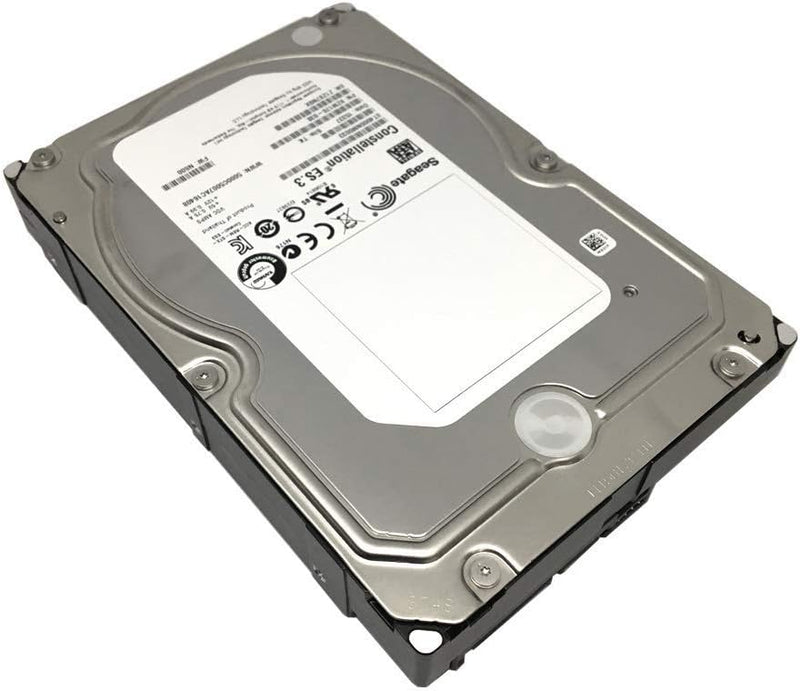
Seagate Constellation ES ST4000NM0033 4TB Enterprise HDD Renewed
Enterprise-grade 4TB SATA III capacity that sustains 187 MB/s throughput through 24/7 workloads where consumer drives fail.
$177.00*
View on Amazon
✓ In Stock on Amazon.com
*Price sourced from Amazon.com. Last updated:Oct 21, 2026.Price and availability are subject to change — details.
Affiliate Disclosure: As an Amazon Associate, Studio Supplies earns from qualifying purchases made through links on this page, at no additional cost to you. This helps support our editorial team.
Notice a mistake? Let Us Know
Overview
Key Features
Capacity Optimized Enterprise Hard Drive for Bulk-Data Applications
Best-in-class rotational vibration tolerance ensures consistent performance
4TB, 128MB Cache, 7200RPM, SATA III 6.0Gb/s - Designed for 24/7/365 Heavy Duty
Works for Any SATA Server, NAS, RAID, PC/Mac, CCTV DVR, Surveillance System
Specifications
Capacity
4TB
Form Factor
3.5-inch
Interface
SATA III 6.0Gb/s
Rotational Speed
7200 RPM
Cache
128MB
Max Sequential Read
Up to 187 MB/s
Installation Type
Internal
Condition
Renewed
Similar Products
Other products from the same family that visitors often consider:
 ✓ Available
Seagate ST4000NM0033 4TB Constellation ES.3 HDD Renewed
$160.00
View on Amazon → ✓ Available
Seagate ST4000NM0033 4TB Enterprise 7200RPM SATA HDD (Renewed)
$128.99
View on Amazon → ✓ Available
Seagate Constellation ES.3 - 4TB SATA HDD, 7200RPM (Renewed)
$39.99
View on Amazon → ✓ Available
Seagate ST4000NM0023-cr 4TB SAS Enterprise HDD Renewed
$99.99
View on Amazon → ✓ Available
Seagate ST4000NM0063 Constellation ES 4TB SAS HDD
$289.45
View on Amazon →Frequently Asked Questions
What interface does the ST4000NM0033 use, and what real-world transfer speeds can I expect?
SATA III at 6.0Gb/s is the interface, with sustained sequential reads up to 187 MB/s. That's the practical ceiling for a 7200 RPM platter drive on this bus — not a bottleneck imposed by SATA, but by rotational mechanics.
Is this drive suitable for a RAID array, and does it handle vibration from adjacent drives?
Yes. The Constellation ES line is specifically engineered with rotational vibration (RV) sensors and compensation firmware, which is what separates enterprise drives from desktop equivalents in multi-drive enclosures. Consumer drives degrade significantly in 4- to 24-bay NAS configurations; this one is rated for it.
What does "renewed" mean for this drive, and are there health risks I should know?
Renewed means professionally inspected, tested, and certified to operate like new — typically refurbished from data center pull stock. You should verify S.M.A.R.T. data immediately upon receipt (using CrystalDiskInfo or smartmontools) to confirm low power-on hours and no reallocated sectors.
How does the 128MB cache benefit sequential workloads?
The 128MB DRAM cache — large by HDD standards — reduces read latency for frequently accessed data patterns and smooths out write bursts before committing to platters. For bulk sequential writes (backup, surveillance, archive), it prevents the drive from throttling under sustained queue depth.
What form factor is this, and does it fit standard NAS and server bays?
Standard 3.5-inch form factor with a SATA interface — compatible with virtually any server chassis, NAS enclosure, RAID controller, or desktop that accepts 3.5" SATA drives. No adapter required.
Related Products
